
Last updated October 16, 2026
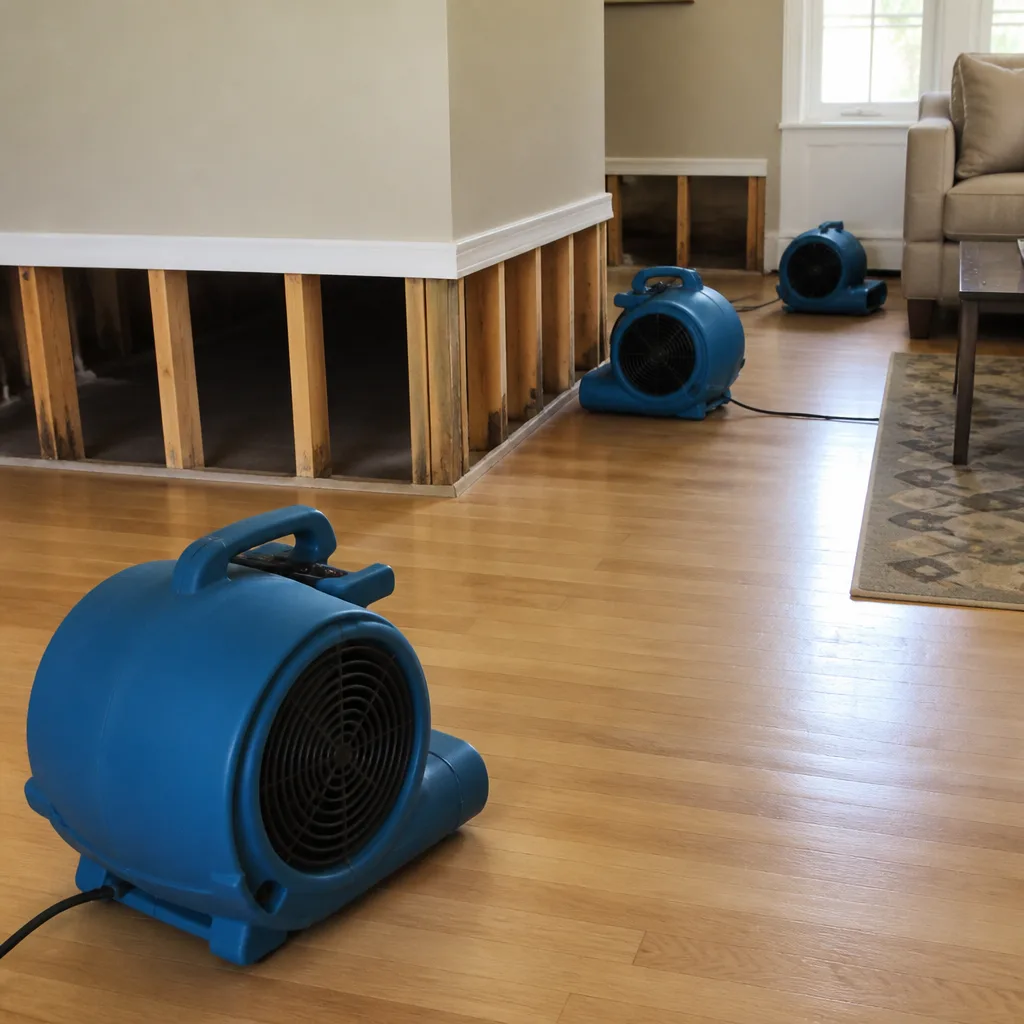 Water damage drying
 Fire & smoke cleanup
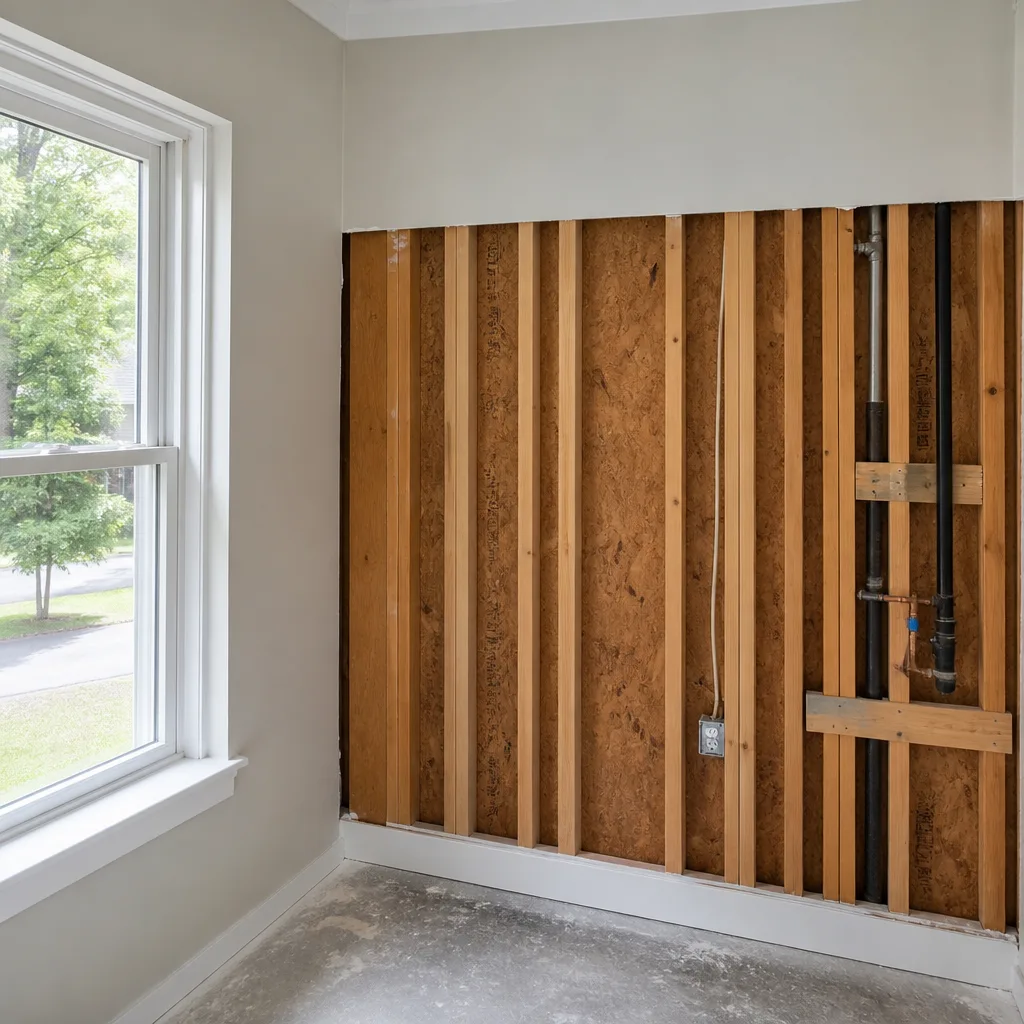 Mold remediation
 Storm response
 Sewage cleanup
 Reconstruction
Free visual inspection and a written scope of work before any mitigation begins - photos, moisture readings, and drying logs go in your claim file
The scope we write is the scope we bill. Anything new gets shown to you, in writing, before we touch it.
Get your free estimateSeasonal Damage Restoration Care for San Jose: Year-Round Homeowner’s Guide
San Jose receives roughly 15 inches of rain per year, but nearly 80% of it falls between November and March, and most of it arrives in heavy atmospheric river events that overwhelm gutters and drainage in a matter of hours, not days. That means the standard four-season home maintenance calendar you’ll find in national magazines simply doesn’t apply here. In San Jose, we deal with two real seasons when it comes to water damage: a long dry stretch that quietly stresses your home, and a wet-season surge that exposes every weak point at once. This guide walks you through what actually matters month by month, drawn from what we’ve seen on thousands of San Jose properties since 2006. For The Complete Guide to Damage Restoration in San Jose, visit our blog.
Restoration work we handle
Quick Answer
San Jose homeowners should follow a two-season maintenance calendar, not a four-season one. Your critical tasks are an October pre-rain checklist (gutters, downspouts, sump pump, roof flashing), a summer dry-season inspection focused on pipe joints, foundation gaps, and HVAC condensate lines, and a spring post-rain audit for concealed moisture before mold has time to colonize. For a detailed breakdown, see our Water Damage Restoration Maintenance Checklist for San Jose Homeowners. The biggest risk window is an atmospheric river event, which can drop more water in 24 hours than San Jose typically sees in two months.
Table of Contents
- Why San Jose’s Climate Breaks the National Seasonal Model
- The October Pre-Season Checklist: What to Do Before the First Atmospheric River
- How San Jose Microclimates Change Your Flood Risk
- Summer Dry-Season Risks Most Homeowners Ignore
- Preparing for Atmospheric River Events: The Weather Pattern Behind Most San Jose Flood Claims
- The Spring Post-Rain Audit: Finding Concealed Moisture Before Mold Does
- Month-by-Month Maintenance Calendar for Santa Clara County
- Common Mistakes to Avoid
- When to Call a Professional
- Frequently Asked Questions
- The Bottom Line
Why San Jose’s Climate Breaks the National Seasonal Model
Most home maintenance guides are written for places with real winters: freezing pipes, snow load, spring thaw, summer humidity. San Jose has none of those. What it has instead is a Mediterranean climate with a wet season so concentrated that infrastructure fails differently. A typical San Jose winter will see 12 to 14 inches of rain, but almost all of it arrives in 10 to 15 storm events between November and March. Between April and October, you might see half an inch total. This concentration creates a specific failure pattern: drainage systems sit dry for eight months, collect debris, develop small cracks, and then get hit with more water in a single week than they handled in the previous six months combined.
We’ve seen this play out in San Jose homes year after year. The roof flashing that was fine in September fails in January, not because the flashing changed but because the volume of water doubled. The sump pump that tested fine in July burns out in February because it ran continuously for 18 hours during an atmospheric river. The downspout that was slightly clogged in August becomes a water-fall against your foundation in December. Understanding this two-season reality is the foundation of everything else in this guide.
The October Pre-Season Checklist: What to Do Before the First Atmospheric River
October is the single most important month for San Jose homeowners. The first significant storm typically arrives by late October or early November, and once it does, you’re reacting instead of preparing. These are the tasks that matter most.
- Clean gutters and downspouts completely. Don’t just scoop the leaves. Run water through the downspouts to confirm they’re actually draining. In San Jose, the leaves from oak, sycamore, and liquid amber trees are the usual culprits, and a downspout that’s 50% blocked in October will be 100% blocked by mid-January.
- Test the sump pump. Fill the pit with water until the float triggers. Listen for grinding, check the discharge pipe for cracks, and make sure water exits at least 6 feet from your foundation. If you don’t have a sump pump but your crawl space has shown dampness in past winters, October is the month to install one.
- Inspect roof flashing around chimneys, vents, and skylights. San Jose’s dry summers bake flashing sealant until it cracks. We find more roof leaks at flashing points than anywhere else, and the fix in October is usually a re-seal rather than a full repair.
- Check window and door seals. Wind-driven rain during atmospheric river events pushes water sideways against windows and doors. If you can see daylight around a door frame, water can get in.
- Clear drainage paths on your property. This includes French drains, channel drains, swales, and any area where water needs to flow away from the house. Leaves and silt accumulate in these paths during the dry season.
- Inspect the crawl space. Look for standing water stains on the vapor barrier, white mineral deposits on foundation walls (evidence of past water), and any gaps in the foundation vents that could let water in during a heavy storm.
If you find evidence of past water intrusion during your October check, address it before the rains arrive. A small crack sealed in October prevents a water damage restoration in San Jose project in December.
How San Jose Microclimates Change Your Flood Risk
San Jose covers 180 square miles, and water behaves very differently depending on where your home sits. Knowing your microclimate tells you which preparation steps matter more than others.
Almaden Valley
Homes in the Almaden Valley sit on hillside terrain with significant elevation change from street to street. The primary risk here is runoff from upper slopes concentrating against foundation walls. We regularly see spring failures in Almaden Valley where a hillside drain from an uphill neighbor’s property overwhelms a downhill home’s drainage. If you live in the Almaden Valley, your October checklist should include a careful look at where water from above your property will flow, and whether existing drains can handle hillside runoff volume.
Coyote Creek Corridor
Properties near Coyote Creek face a different challenge: rising water table and saturated soil rather than direct flooding. During prolonged wet periods, the water table rises and puts hydrostatic pressure against foundation walls and slab floors. This shows up as damp crawl spaces, water seeping through hairline foundation cracks, and, in severe cases, water pushing up through the slab. If you’re near Coyote Creek, pay extra attention to your sump pump and foundation crack seals in October. A working sump pump is your primary defense against groundwater, not rain.
East Foothills
East Foothills homes deal with wind-driven rain on exposed slopes, along with the unique issue of drainage channels cutting through properties. The wind during atmospheric river events hits the foothills harder than the valley floor, which means roof edge flashing and window seals matter more. We also see more roof tile displacement in the East Foothills than anywhere else in San Jose during winter storms.
Willow Glen and Downtown
Older neighborhoods like Willow Glen have aging clay sewer lateral lines that are vulnerable to root intrusion and joint separation. During heavy rain, groundwater infiltrates these laterals through cracks, which can back up into the house as a sewage backup. If you live in an older San Jose neighborhood with mature street trees, have your sewer lateral inspected every 2-3 years before the wet season.
Summer Dry-Season Risks Most Homeowners Ignore
The dry months between April and October feel safe, but they’re where foundation and plumbing problems quietly develop. San Jose’s summer heat and clay-heavy soil create conditions that lead directly to wet-season failures. Here’s what to watch.
Clay Soil Shrinkage Creates Foundation Gaps
San Jose’s soil is predominantly expansive clay. During months without rain, that clay dries out and shrinks, pulling away from foundation walls and creating gaps. These gaps become channels for water to reach the foundation once the rains return. More than that, when the clay rehydrates in November, it swells, putting pressure on the foundation from the outside. This cycle of shrink and swell is a leading cause of foundation cracks in San Jose homes, and the cracks that form in summer become water entry points in winter. Walk the perimeter of your home in August or September and look for gaps between soil and foundation. If you can see a gap wider than a quarter inch, water will find it in January.
Heat Cycling Stresses Pipe Joints
Copper pipes in San Jose homes go through significant thermal expansion and contraction cycles during summer. Water sitting in pipes heats up during the day and cools at night, and each cycle stresses joints, especially in older homes where the original solder work has 30 or 40 years of fatigue. The result is a pipe joint that held fine for decades suddenly fails, often during a heat wave. If you hear ticking or creaking sounds from your plumbing during hot days, that’s the sound of pipes expanding, and it’s worth having joints in accessible areas checked before winter.
HVAC Condensate Lines Need July Attention
San Jose’s summer is when your air conditioner works hardest, and that means the condensate line is producing the most water. A clogged condensate line can cause water to back up into the air handler pan and overflow into your ceiling or wall cavity. This is a slow leak that can go unnoticed for weeks, saturating drywall and creating the conditions for mold. Clean your condensate line in July, not January, when the system is actually working hard. It’s a 10-minute task with a shop vac and vinegar flush.
Summer dry-season problems rarely cause immediate visible damage. They create the conditions that make winter storms devastating. A homeowner who checks these items in July is the same homeowner who doesn’t need water damage repair in San Jose in January.
Preparing for Atmospheric River Events: The Weather Pattern Behind Most San Jose Flood Claims
When a homeowner in San Jose calls us about indoor flooding, the cause is usually the same: an atmospheric river. These narrow bands of moisture from the tropical Pacific can drop 3 to 6 inches of rain on San Jose in 24 hours, sometimes more. The storm drains, the gutters, the sump pumps, and the drainage systems around your home are designed for normal California rain, not atmospheric river volume. This section covers how to prepare when a significant storm is forecast.
- Test the sump pump the day before the storm. Fill the pit with a bucket of water and confirm the pump activates and discharges properly. A sump pump that sits unused for months can seize, and the first storm is when you find out.
- Clear gutters and downspouts a second time. Even if you cleaned them in October, three months of winter storms will have deposited new debris. The day before a big storm, check the downspout outlets and clear any blockage.
- Move stored items off the floor in low-lying areas. Garages and crawl spaces that have never flooded can flood during atmospheric rivers because the volume of water overwhelms exterior drainage. Cardboard boxes, anything stored directly on a garage floor, and anything in a crawl space should be elevated.
- Know where to get sandbags. The Santa Clara Valley Water District and the City of San Jose maintain sandbag distribution sites during major storm events. If your property has a low entry point near a street or drainage channel, having sandbags on site before the storm matters more than finding them during it.
- Turn off exterior irrigation. The last thing you want during a heavy rain event is your sprinklers adding more water to already-saturated soil.
During the storm, check your crawl space a few hours into heavy rain. If water is entering, you want to know immediately, not days later when the evidence is mold growth and warped flooring. Our team uses psychrometric drying, which is the practice of tracking the air’s moisture level and the moisture content of materials to verify when a structure is truly dry, not just surface-dry. The sooner we can begin that process, the less damage a flooded crawl space causes.
The Spring Post-Rain Audit: Finding Concealed Moisture Before Mold Does
By late March, San Jose’s rainy season is essentially over. The air dries out, the sun returns, and everything looks fine. But if water entered your walls, crawl space, or attic during the winter, it may still be trapped inside building materials, and warm spring temperatures are exactly what mold needs to colonize. The spring audit is about finding concealed moisture before it becomes a visible problem.
Mold doesn’t need standing water. It needs moisture above roughly 60% relative humidity in a material’s surface layer, plus warm air and an organic food source. Your walls and framing provide the food source. Trapped winter moisture provides the water. Spring provides the warmth. This is why we see a spike in mold remediation in San Jose every April through June. The damage happened in January and February; it just becomes visible in spring.
What to Check in the Spring Audit
- Crawl space moisture. After the rainy season ends, check your crawl space for damp soil, condensation on the vapor barrier, or water staining on floor joists. A moisture meter reading of 20% or higher in wood framing indicates a problem that needs addressing.
- Wall staining or bubbling. Look along baseboards, below windows, and on ceilings for any discoloration, bubbling, or texture change in paint. These are signs that moisture got trapped behind the surface during the winter.
- Musty odors. A persistent musty smell in a specific room or closet is often the first indicator of trapped moisture and early mold activity. Don’t ignore it; by the time you can smell it, the colony is established.
- Foundation cracks with mineral deposits. If water seeped through foundation cracks during the winter, it often leaves white mineral deposits on the concrete. These tell you where water entered, even after everything is dry.
- Sump pump function post-season. Run the sump pump once more in April or May to verify it still works. Some pumps fail during the last storm of the season and homeowners don’t discover it until the following October.
If your spring audit turns up any of these signs, take action within a few weeks. Warm weather accelerates mold growth, and a small moisture problem in March can become a significant water damage repair in San Jose project by May.
Month-by-Month Maintenance Calendar for Santa Clara County
Here’s the complete calendar, built around Santa Clara County’s actual rainfall patterns rather than national averages. June, July, August, and September have essentially zero rainfall, so those months are for fixing what winter exposed and preparing what the next winter will test.
January and February (Peak Rain Season)
During these months, you’re in monitoring and response mode. Check your crawl space after every major storm. Watch for water pooling near the foundation. If you see water entering, respond immediately, because damage compounds with every additional storm. Keep gutters clear of winter debris, and keep sandbags deployed if you needed them in November or December.
March (End of Rain Season Transition)
March is when San Jose’s rain tapers off, but the soil is still saturated. This is a good month for your first post-rain assessment. Check for any new water staining, sagging drywall, or foundation shifts that happened during the winter. Start your spring audit while the evidence is still fresh.
April and May (Spring Audit Window)
Complete the full spring post-rain audit described above. Address any crawl space moisture issues before the weather turns warm. If you discovered a water intrusion problem during the winter that you deferred, do not let it sit through the summer. Trapped moisture plus warm temperatures equals mold.
June through September (Dry Season Maintenance)
This is the time for all the dry-season tasks: check foundation-to-soil gaps from clay shrinkage, inspect pipe joints for signs of stress, clean your HVAC condensate line in July, and inspect roof flashing after a full summer of heat exposure. Any exterior caulking or sealant that shows cracking should be replaced before October.
October (Pre-Season Preparation)
Complete the full October pre-season checklist described above. This is your single most important maintenance month. Get everything done before the first atmospheric river arrives.
November and December (First Storms)
The first major storms will arrive in November and December. Monitor your home’s response to each storm, especially the first one. The first heavy rain reveals problems that six months of dry weather hid. Take notes on what failed so you can address it during the next dry season, and keep your drainage clear between storms.
Common Mistakes to Avoid
- Following a national four-season maintenance calendar. San Jose doesn’t have spring thaw or autumn leaf-removal cycles like the Northeast or Midwest. Applying a generic national schedule to a Santa Clara County home means you’ll be doing the wrong tasks at the wrong time.
- Cleaning gutters once a year. In San Jose, gutters that are clean in October will be blocked again by January. During the wet season, check them monthly, especially before major storm events.
- Ignoring summer crawl space ventilation. Many San Jose homeowners close foundation vents in winter and forget to reopen them in spring. A closed crawl space in summer traps moisture and promotes mold growth.
- Assuming a good November means a safe winter. Atmospheric river events don’t distribute rain evenly across the season. A dry January can be followed by a devastating February storm. Every storm matters, not every month.
- Treating a small leak as a small problem. Slow roof leaks and pipe drips in San Jose homes often go unnoticed for months because the dry climate hides the evidence. By the time staining appears, the damage behind the surface is far more extensive than the stain suggests.
- Skipping the condenser line in summer because “it’s not leaking.” The fact that it hasn’t leaked yet is exactly why it needs attention. Clogs build gradually, and the overflow happens when you’re least expecting it.
- Counting on insurance without documentation. If you discover water damage, document everything with photos before any cleanup begins. We provide photo-documented assessments and work directly with adjusters, but if the evidence is destroyed before it’s documented, your claim position is weaker.
When to Call a Professional
Some water damage problems are beyond the scope of weekend DIY, and it’s important to recognize the line before damage spreads further. Call a professional if you see water entering through foundation walls or floor slabs, where the source may be groundwater and the fix involves drainage and waterproofing. Call if you discover mold growth larger than a few square feet. Call if a pipe burst or a sewage backup has released contaminated water. Call if you smell a musty odor that you can’t trace to a source. Call if your sump pump fails during a storm and water enters the crawl space. Wendell Restoration San Jose offers free estimates in San Jose; call (669) 200-0453 and we’ll send a background-checked, uniformed technician who will give you a written price before any work starts, with a live arrival time you can track like a rideshare.
Frequently Asked Questions
The highest-risk period runs from January through March, when back-to-back atmospheric river events drop the most rain on saturated ground. The highest-risk single event is the first major storm of the season, usually in November or early December, because it tests drainage systems that haven’t handled significant water flow in six months. Call (669) 200-0453 if you discover water intrusion during any storm, and we’ll get someone to your San Jose home quickly.
Water damage restoration in San Jose typically ranges from $2,500 to $8,000 for a standard mitigation and drying project, depending on the square footage affected and the category of water. See our Damage Restoration Cost Breakdown: The San Jose Homeowner’s Reference for 2026 for detailed pricing guidance. Mold remediation typically runs $1,800 to $6,500 for a localized issue, and $8,000 to $25,000 for widespread contamination involving concealed spaces. At Wendell Restoration San Jose, the price you’re quoted in writing before work starts is the price you pay. Call (669) 200-0453 for an exact quote; estimates are free.
If your crawl space has elevated moisture but no standing water, you may be able to address it with improved ventilation and a functioning vapor barrier. If you see standing water, foundation seepage, or moisture readings above 20% in wood framing, those conditions require professional drying and possibly drainage work. Left untreated, these issues lead to structural wood rot and mold, which are significantly more expensive to fix. Call (669) 200-0453 for a free crawl space assessment in San Jose.
Homeowners insurance typically covers sudden and accidental water damage from storms, including atmospheric river events, but it does not cover damage from poor maintenance or neglect, such as a clogged gutter that diverted water into the home. Insurance also does not cover flood damage from rising groundwater, which is a common issue near Coyote Creek. At Wendell Restoration San Jose, we provide photo documentation throughout the process and work directly with your adjuster, so your claim is supported by evidence from day one. Call (669) 200-0453 with questions about your specific situation.
A live person answers every call at Wendell Restoration San Jose, 24/7, and we’ll schedule a technician with a trackable arrival time on the same call. Water damage does not keep business hours, and neither does Wendell. In most San Jose neighborhoods, we can have a background-checked, uniformed technician on site within a few hours of your call, with a written price provided before any work begins. Call (669) 200-0453 any time.
Mitigation is the emergency response: extracting water, drying the structure, and preventing further damage. Repair is the reconstruction that follows: replacing drywall, flooring, and framing that couldn’t be saved. Many San Jose homes need both after a significant event, and we handle both under one roof with a written price for each phase before the work starts, not after. Call (669) 200-0453 for a free estimate if you’re dealing with either situation.
The Bottom Line
San Jose’s damage risk follows a two-season pattern: eight months of dry heat that stresses pipes, foundations, and seals, followed by four months of concentrated rainfall that exploits every weakness. The homeowners who avoid serious water damage are those who do the October pre-season work, monitor their homes during storms, complete the spring audit before mold season, and use the summer dry season to fix what winter exposed. If you’d rather have a professional handle any part of this, Wendell Restoration San Jose has been serving San Jose since 2006, and we’re a phone call away at (669) 200-0453. You can also explore more guides & resources on our blog.
Written by Blake Sorensen, Owner at Wendell Restoration San Jose, serving San Jose since 2006.
See the difference
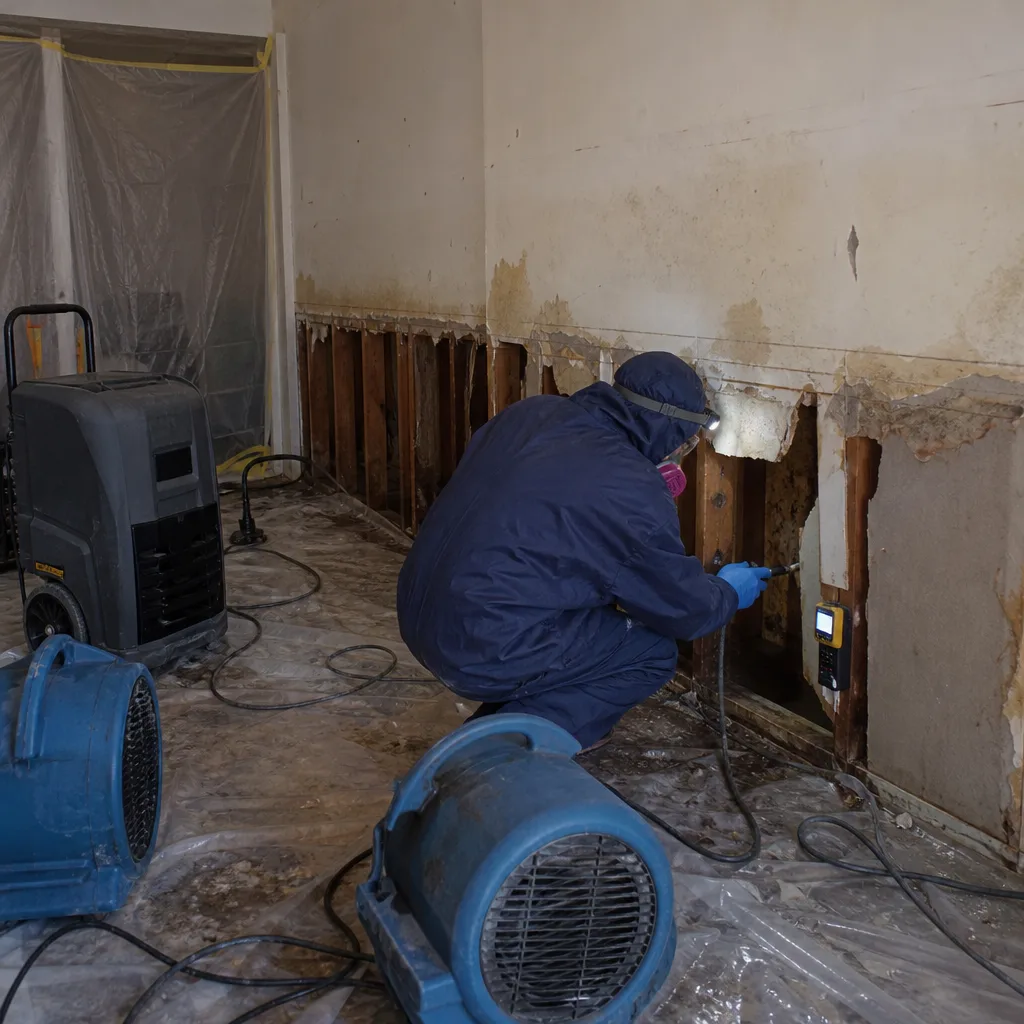 Before
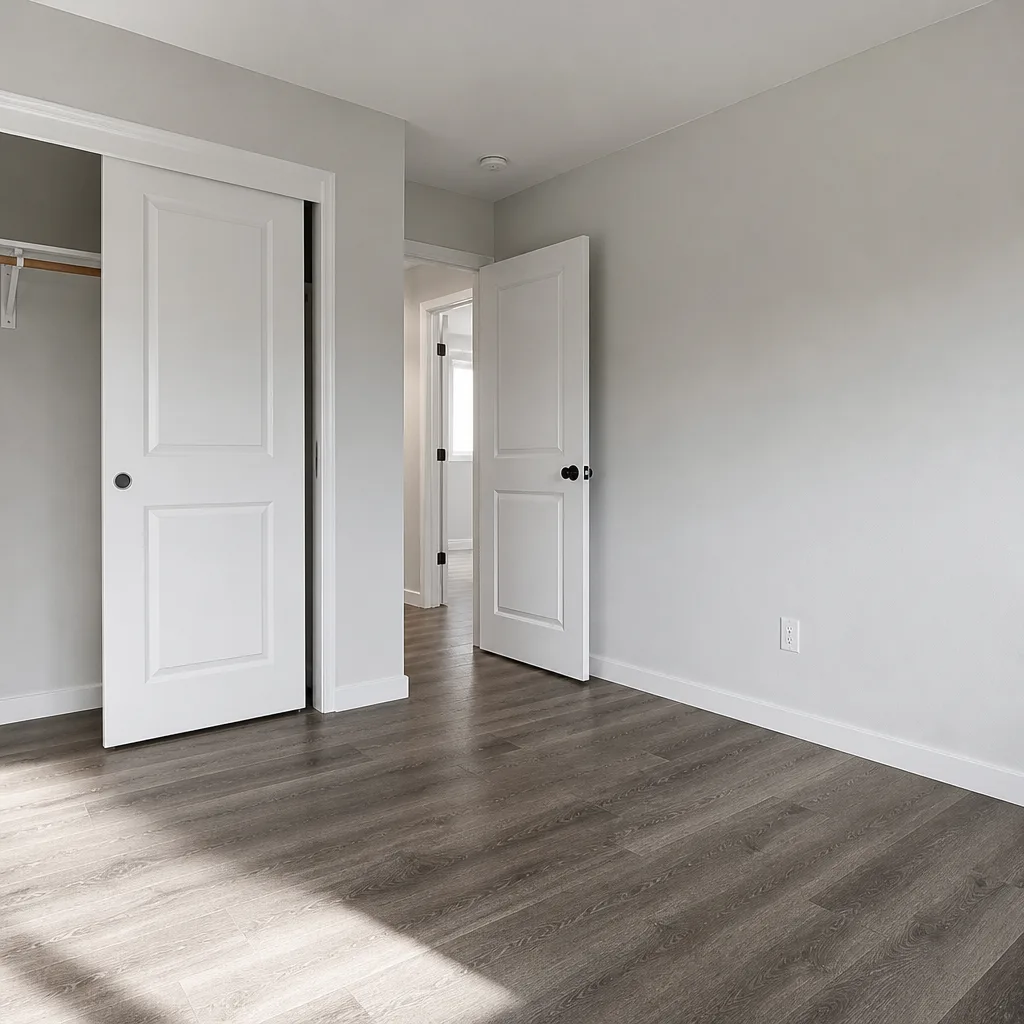 After
After Before
 After
After Before
 After
After