
Last updated October 16, 2026
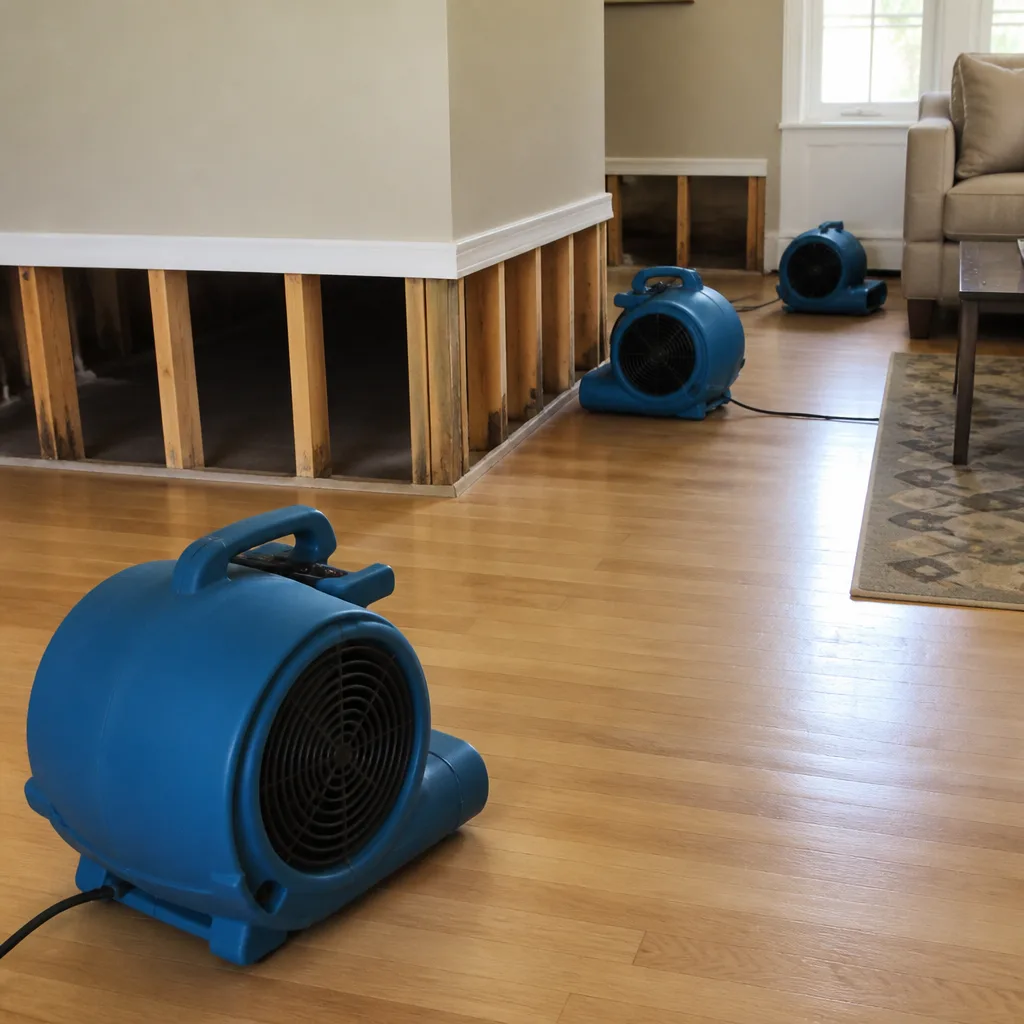 Water damage drying
 Fire & smoke cleanup
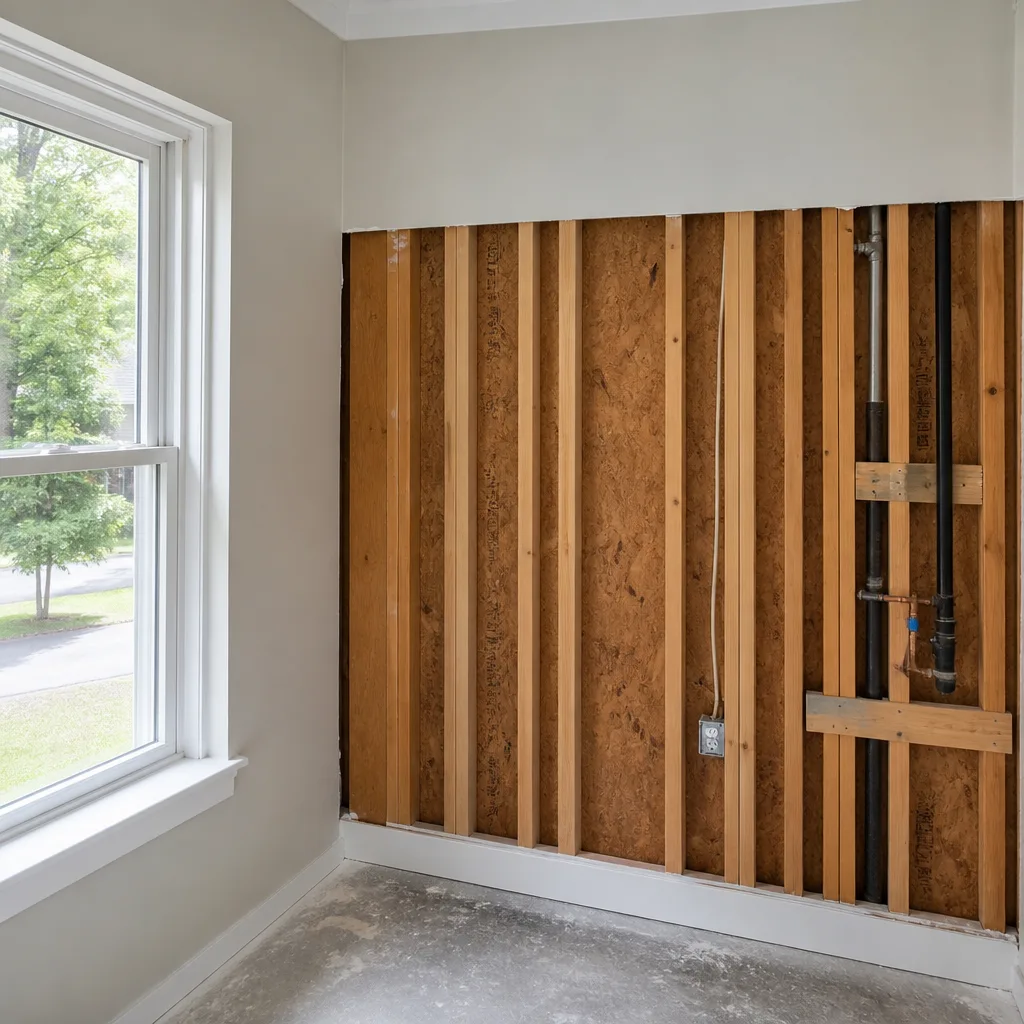 Mold remediation
 Storm response
 Sewage cleanup
 Reconstruction
Free visual inspection and a written scope of work before any mitigation begins - photos, moisture readings, and drying logs go in your claim file
The scope we write is the scope we bill. Anything new gets shown to you, in writing, before we touch it.
Get your free estimateThe Complete Guide to Damage Restoration in San Jose
Here’s a statistic most San Jose homeowners never hear until it’s too late: the average person waits four to six hours after discovering water damage before calling a restoration company. That’s roughly the same window in which mold spores begin colonizing drywall in a warm house. What you do in the first 60 minutes determines whether you’re facing a three-day dry-out or a three-week rebuild. This guide-and our more guides & resources-exist so that when water, mold, or fire hits your San Jose home, you already know the phases, the pricing, and the paperwork. You walk in with leverage instead of panic.
Restoration work we handle
Quick Answer
Damage restoration in San Jose typically follows three phases: mitigation (stop the source and remove standing water), structural drying (professional equipment running 3-5 days on average), and rebuild (drywall, flooring, paint). For a deeper look at pricing, see our Damage Restoration Cost Breakdown: The San Jose Homeowner’s Reference for 2026; water damage restoration usually costs between $2,500 and $7,500 for a typical single-room incident, while mold remediation runs $1,500 to $6,000 depending on square footage. The single most important decision you make is whether the contractor puts a written scope and price in front of you before any tools come off the truck.
Table of Contents
- The Three Phases of Restoration, Explained Line by Line
- Why San Jose’s Housing Stock Makes Drying Harder Than the National Average
- What a Written Scope of Work Must Include (and the Two Clauses to Watch For)
- How to Read a Moisture Map and Psychrometric Log
- What Each Phase Costs Independently in San Jose
- How Insurance Actually Works on a Restoration Claim
- The Relay Visibility Guarantee: A Checklist You Can Use With Any Contractor
- Common Mistakes to Avoid
- When to Call a Professional
- Frequently Asked Questions
- The Bottom Line
The Three Phases of Restoration, Explained Line by Line
Most homeowners think restoration is one thing: someone shows up, pulls out wet carpet, points a fan at it, and leaves. That’s actually three separate jobs with three separate skill sets, and understanding the difference is what lets you evaluate a line-item estimate intelligently rather than just staring at the bottom number.
Phase one is mitigation. This is emergency work. The source gets stopped, whether that’s a supply line, a water heater, or a roof leak. Standing water gets extracted with truck-mounted or portable extraction units. Wet materials that can’t be saved, like carpet pad or saturated drywall, get cut out and removed. This phase happens fast, usually within hours of your call. In San Jose, where many homes sit on slab foundations, mitigation often involves pulling baseboards to check for water that traveled under walls. We see it regularly in older Cambrian and Willow Glen homes: water wicks under baseboards and into wall cavities far faster than people expect.
Phase two is structural drying. This is where trade terms actually matter. The process is called psychrometric drying, which just means tracking the air’s moisture level, temperature, and humidity so we know when your home is truly dry, not just surface-dry. Technicians follow IICRC standards to place air movers and dehumidifiers in a calculated pattern. Equipment brands like Dri-Eaz and Phoenix are the same machines used on large commercial loss sites. This phase typically runs three to five days. Drywall that feels dry to your hand can still hold 15% moisture content, which is exactly the environment mold loves.
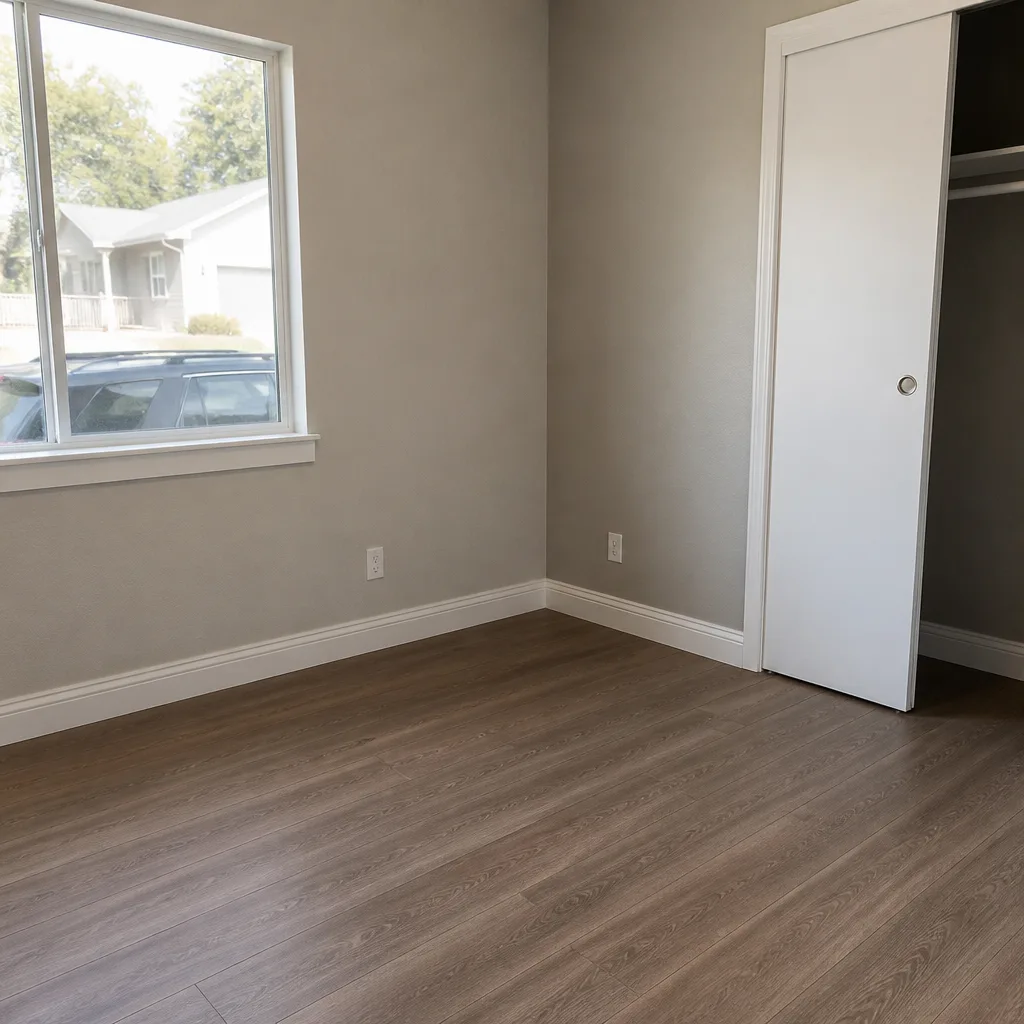
Phase three is rebuild. Once moisture meters confirm the structure is dry, reconstruction begins: new drywall, texture, paint, flooring, trim. This is scoped, scheduled, and priced in writing like a remodel. It is not an emergency service. A quality rebuild should never be rushed, because closing walls over damp framing is how you get a mold problem six months later. Our Water Damage Repair in San Jose service covers this phase with the same written-price approach we use on mitigation.
Why San Jose’s Housing Stock Makes Drying Harder Than the National Average
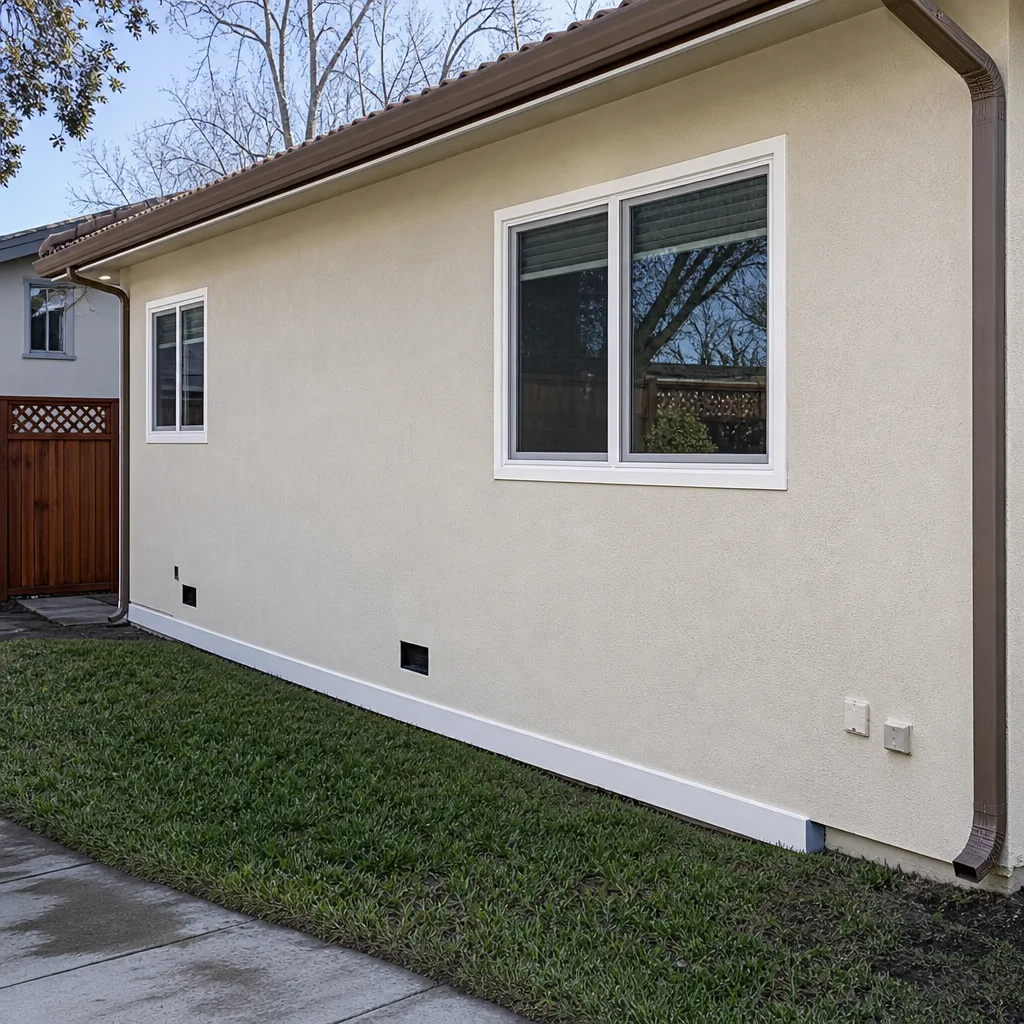
San Jose is not a generic national market, and restoration timelines here run longer than the national averages for a reason-something covered in our Damage Restoration Permits, Codes & Inspections in CA: What You Need to Know. A huge portion of our housing stock was built before 1980, with stucco exteriors over wood frame construction. Stucco is a cement-based material that holds water. When moisture gets trapped between stucco and the wood sheathing behind it, there’s very little airflow to release it. National drying charts assume a certain evaporation rate; San Jose’s older stucco homes routinely need an extra day or two.
Add the microclimates. A home in Almaden Valley experiences different humidity patterns than one in Berryessa near the foothills. Winter storms between November and March push rain against western and southern exposures, and we’ve seen recurrent damage in the same wall section year after year because water finds a path behind the stucco’s paper backing. The takeaway: if a contractor quotes you a two-day dry-out on a 1970s stucco home with water in an exterior wall cavity, ask how they’re accounting for trapped moisture. The answer tells you whether they’ve worked in San Jose for long or just bought a franchise manual.
This is also why we use professional-grade equipment from brands like Injectidry and B-Air. Injectidry systems push air into wall cavities and under cabinets, not just across open floor space. That matters in San Jose, where cabinet toe-kicks and built-in wall units trap water in ways a standard air mover never reaches. Our Water Damage Restoration in San Jose approach is built around the city’s actual housing stock, not a national average.
What a Written Scope of Work Must Include (and the Two Clauses to Watch For)
A written scope of work is the contract that tells you exactly what will be done, what it will cost, and what happens if something goes wrong. You should never, under any circumstances, let a restoration company start work without one. Here’s what a legitimate scope includes:
- A line-item breakdown of labor and materials. Not just “dry out master bedroom: $4,200.” You want: extraction labor hours, equipment rental days, dehumidifier count, disposal fees, drywall replacement square footage. Every line should have a dollar figure.
- The specific equipment being deployed. How many air movers? How many dehumidifiers? What brand? For how many days? If moisture readings change, the scope should explain how the cost adjusts.
- Moisture readings documented. A starting moisture map and the target dryness standard, usually referencing IICRC S500 guidelines.
- The warranty or guarantee terms. What’s covered, for how long, and what triggers a revisit. If it’s not written, it doesn’t exist.
- Payment terms and schedule. Insurance jobs are often billed directly to the carrier. Cash jobs should have clear milestones, never a full upfront payment.
Now, the two clauses most local contractors quietly omit. The first is the change order trigger. Good scopes state that any cost increase requires your written sign-off before work continues. Bad scopes let the contractor discover “unexpected damage” and add thousands in change orders without your approval. The second is the revisit clause. If the repair fails or mold returns within a defined period, what happens? At Wendell Restoration San Jose, our 365-Day Done Right Promise states it plainly: if it’s not done right, we make it right. That promise is in writing on every single job, and it includes a free second visit if the repair fails. If a contractor won’t put a revisit clause in writing, keep looking.
How to Read a Moisture Map and Psychrometric Log
You don’t need to be an IICRC-certified technician to verify drying is actually complete before walls get closed up. You need to understand two documents: the moisture map and the psychrometric log.
A moisture map is a diagram of your home with numbers showing the moisture content of each affected area. Numbers are taken with a moisture meter pressed against walls, floors, and ceilings. A wall at 10-12% moisture content is considered dry for most interior conditions in San Jose’s climate. Anything above 16-18% is wet and needs more drying time. The important thing to watch: the map should be updated daily during the drying phase, and the numbers should trend downward. If a number hasn’t moved in 48 hours, the equipment placement is wrong or hidden water is feeding the area.
A psychrometric log tracks three things: temperature, relative humidity, and grains per pound (GPP), which is the actual amount of moisture in the air. You’re looking for a consistent drop in GPP inside the drying chamber. If indoor GPP stays close to outdoor GPP, the dehumidifier isn’t doing its job. The log matters because closing up a wall when GPP hasn’t stabilized is how you get that musty smell that never quite goes away.
Ask your contractor to walk you through both documents on day one and at the end of the drying phase. A technician who can explain these numbers in plain language is a technician who actually knows the craft, not someone running a fan rental business.
What Each Phase Costs Independently in San Jose
You should know ballpark numbers before you ever tap “call.” Here’s what we see across San Jose for the three phases, priced independently so you can evaluate line items instead of shrugging at a lump sum.
- Mitigation (emergency extraction and removal): $800 to $2,200 for a single room, including extraction labor, disposal of unsalvageable materials, and initial antimicrobial treatment. Larger events on slab foundations in east San Jose neighborhoods, where water runs across tile into multiple rooms, run higher.
- Structural drying: $1,000 to $2,800 depending on the number of air movers, dehumidifiers, and drying days. Injectidry wall-cavity drying adds cost but often saves walls that a standard setup would cut out. You’re paying for equipment AND for daily monitoring visits.
- Rebuild: $2,000 to $6,000 for a standard single-room repair: drywall, texture, primer, paint, baseboard, and new flooring. San Jose’s labor rates for licensed trades are higher than the national average, and that’s reflected here.
| Phase | What’s Included | Typical San Jose Range |
|---|---|---|
| Mitigation | Source stop, extraction, material removal, antimicrobial treatment | $800 – $2,200 per room |
| Structural Drying | Air movers, dehumidifiers, daily monitoring, moisture mapping | $1,000 – $2,800 per job |
| Rebuild | Drywall, texture, paint, baseboard, flooring | $2,000 – $6,000 per room |
Mold remediation in San Jose runs separately: $1,500 to $6,000 depending on containment requirements, affected square footage, and whether the source of moisture is resolved. Our Mold Remediation in San Jose service always starts with finding and fixing the moisture source. Otherwise you’re paying for a cleanup that comes back.
How Insurance Actually Works on a Restoration Claim
Insurance is almost always in the room, even when nobody says the word. Here’s the honest version of how it works.
Your homeowner’s policy covers sudden and accidental water damage, like a burst pipe or an overflowing washing machine. It generally does NOT cover gradual damage, like a slow pipe leak that’s been dripping behind a wall for six months. Mold coverage varies by policy and by cause. If you file a claim, the insurance company sends an adjuster to assess the damage, and they’ll write an estimate using software that prices restoration work at standard rates.
Here’s what most homeowners don’t realize: you don’t have to accept the insurance company’s preferred vendor. You have the legal right to hire any licensed restoration company. A good restoration company will work directly with your adjuster, submit photo documentation, and fight for the full scope of work needed rather than the minimum scope the software spits out.
We photograph everything, every day, and text you before-and-after images so there’s a documented chain of evidence. When the adjuster asks for proof of damage, the photos are already in your phone. That’s the level of documentation that gets claims approved for the full amount.
The Relay Visibility Guarantee: A Checklist You Can Use With Any Contractor
We built Wendell Restoration San Jose on a standard we call The Relay Visibility Guarantee. It’s part of the Relay Home Co. family, founded in 2006, and each location is independently owned and operated. The idea is simple: you should always know who is coming, when they will be there, and exactly what it costs. Here’s the checklist. You can apply it to any restoration contractor you interview.
- Live person answers the phone, 24/7. Not a voicemail, not a callback queue, not a phone tree. Water damage doesn’t keep business hours, and neither does the company that says they’re an emergency service.
- A written price before any work starts. The number on the screen is the number you pay. A digital invoice is texted to you so you can pay from the link. No handshake estimates that change at the door.
- A live arrival time you can track. Not a vague four-hour window. You should be able to watch the technician’s location like a rideshare.
- Background-checked, uniformed technicians. You know exactly who is walking through your door before they arrive.
- Before-and-after photos by text. Photo documentation of every phase, from initial damage to final repair.
- A written guarantee. Our 365-Day Done Right Promise says it in plain language: if it’s not done right, we make it right, including a free second visit if the repair fails.
If a contractor can’t meet all six of those points, ask why. The technology to do all of this has existed for a decade. Most restoration companies just never bothered.
Common Mistakes to Avoid
- Waiting to call. Every hour of delay compounds the damage. In San Jose’s warm fall months, mold colonization starts within 24 to 48 hours after water intrusion. The four-to-six-hour average wait we mentioned earlier is the single most expensive mistake homeowners make.
- Using box fans and hoping. A household fan moves air; it doesn’t dehumidify. It circulates moisture around the room and actually speeds mold growth in hidden cavities. Professional drying requires calculated airflow and dehumidification.
- Accepting a verbal estimate. If it’s not in writing, it didn’t happen. A verbal estimate is not a contract. Insist on a written scope of work with line-item pricing before the first tool comes off the truck.
- Letting a contractor close walls before moisture readings confirm dryness. You have the right to see the moisture map. If a tech won’t show you numbers, they’re hiding something.
- Assuming insurance covers everything. Gradual leaks and certain mold situations are excluded. Read your policy, or ask the restoration company to review the coverage with you.
- Hiring a contractor who doesn’t work with adjusters. Restoration is part construction, part paperwork. A company that won’t talk to your insurance adjuster leaves you as the middleman in a process that’s already stressful enough.
- Paying in full upfront. Legitimate restoration companies bill in phases. A contractor demanding 100% payment before work starts is a red flag.
When to Call a Professional
Call a professional the moment water has touched drywall, flooring, or anything absorbent. That’s not overselling; it’s physics. Water behind drywall does not dry on its own. If you see water staining on a ceiling, water pooling around an appliance, or any visible mold growth larger than a dinner plate, professional remediation is required. Sewage backups are an emergency call, period, because of the bacterial contamination risk. Wendell Restoration San Jose offers free estimates in San Jose. Call (669) 200-0453 and a live person answers, day or night. We’ll give you a written price before any work starts, and you can book in a tap with a live arrival time you track like a rideshare from our Wendell Restoration San Jose home page.
Frequently Asked Questions
For a typical single-room water damage event in San Jose, expect $2,500 to $7,500 across mitigation, drying, and rebuild. Mold remediation runs $1,500 to $6,000. The variables are square footage, how quickly you called, and whether water reached wall cavities. Call (669) 200-0453 for a free written estimate with line-item pricing.
A true emergency-response company should have a technician at your door within hours, not days. At Wendell Restoration San Jose, calls are answered by a live person 24/7, and you get a live arrival time you can track on your phone. If a company puts you into a callback queue, they’re not an emergency service.
Sudden and accidental water damage, like a burst pipe, is typically covered by standard homeowner’s insurance. Gradual damage from a long-running leak is usually not. Mold coverage varies. A restoration company that documents everything with photos and works directly with your adjuster gives you the best chance of full claim approval.
Ask for the moisture map and psychrometric log. Moisture readings should trend downward daily. Interior walls should reach 10-12% moisture content. If the technician can’t show you the numbers or explain them in plain language, don’t sign off on the drying phase.
If you can see mold larger than a dinner plate, or smell a musty odor without visible growth, you need professional remediation, not surface cleaning. Mold colonies send roots into porous materials; wiping the surface doesn’t eliminate the problem. In San Jose’s older homes, hidden moisture sources behind stucco walls are the usual culprit.
Your restoration company should. We coordinate directly with adjusters, submit photo documentation, and advocate for the full scope of work. You hired the restoration company. They work for you, not the insurance carrier. Call (669) 200-0453 to get the process started with a free estimate.
The Bottom Line
Damage restoration in San Jose is a three-phase process: mitigation, drying, and rebuild. Each phase has its own cost range, its own timeline, and its own documentation requirements. The difference between a good experience and a nightmare is almost always the same thing: whether the contractor put a written price in front of you before starting, showed you real moisture data during the job, and stood behind the work with a written guarantee afterward. That’s the standard we hold every job to at Wendell Restoration San Jose. Call (669) 200-0453 and you’ll speak to a live person who can walk you through your situation, give you straightforward numbers, and get a technician to your door with a tracked arrival time.
Written by Blake Sorensen, Owner at Wendell Restoration San Jose, serving San Jose since 2006.
See the difference
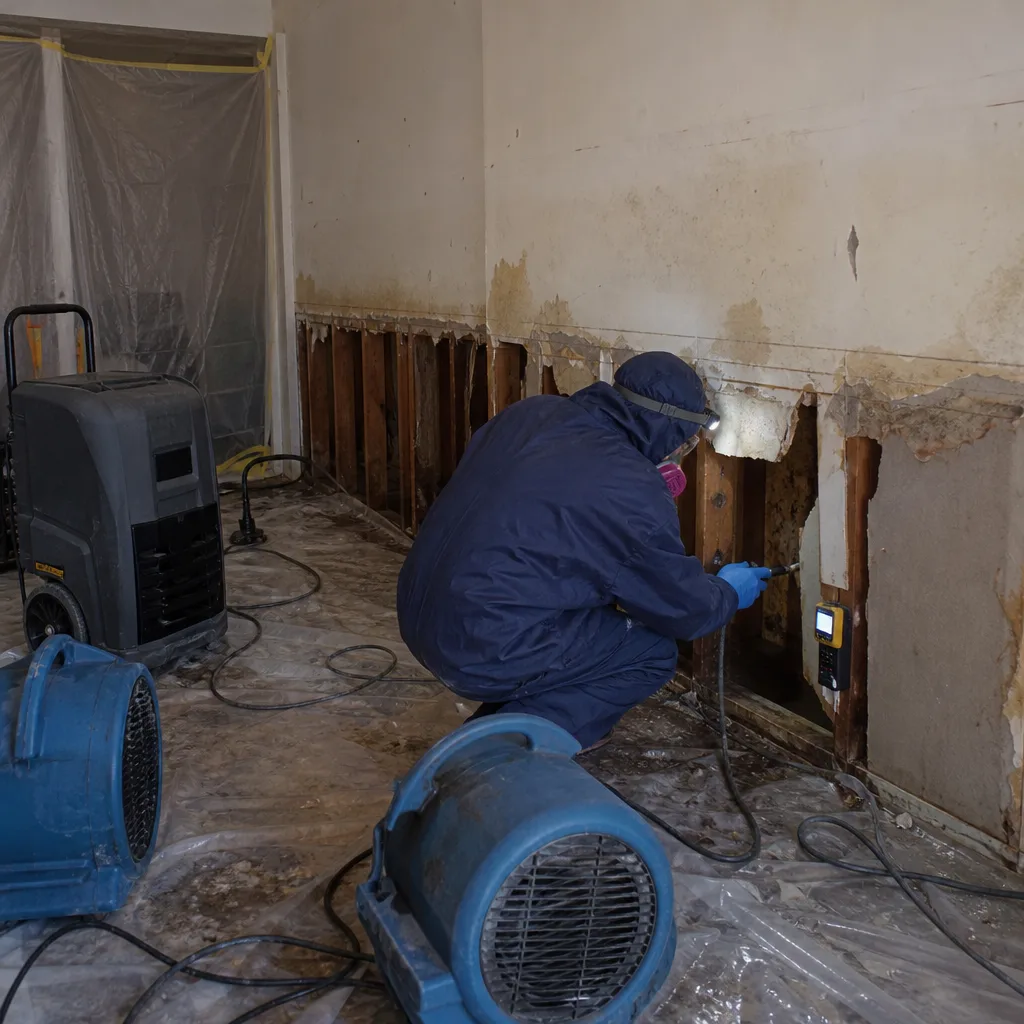 Before
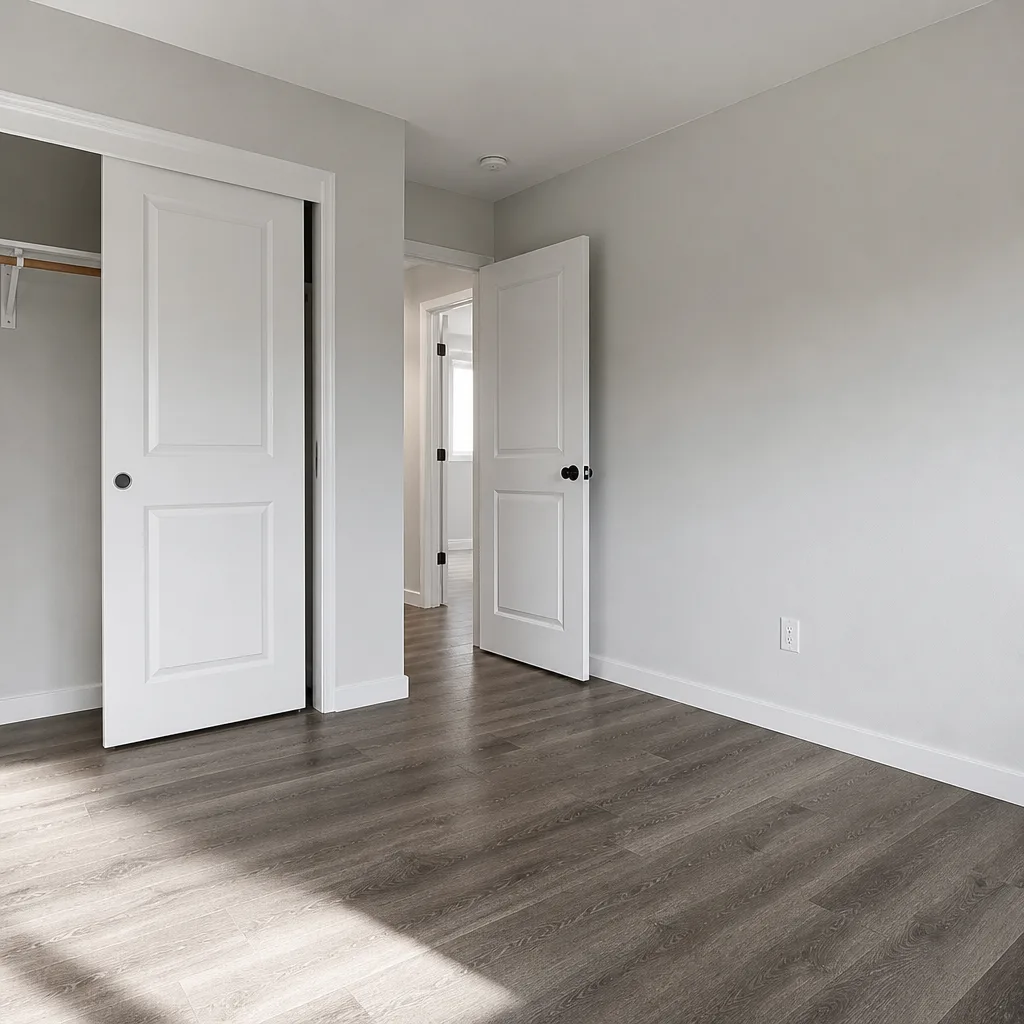 After
After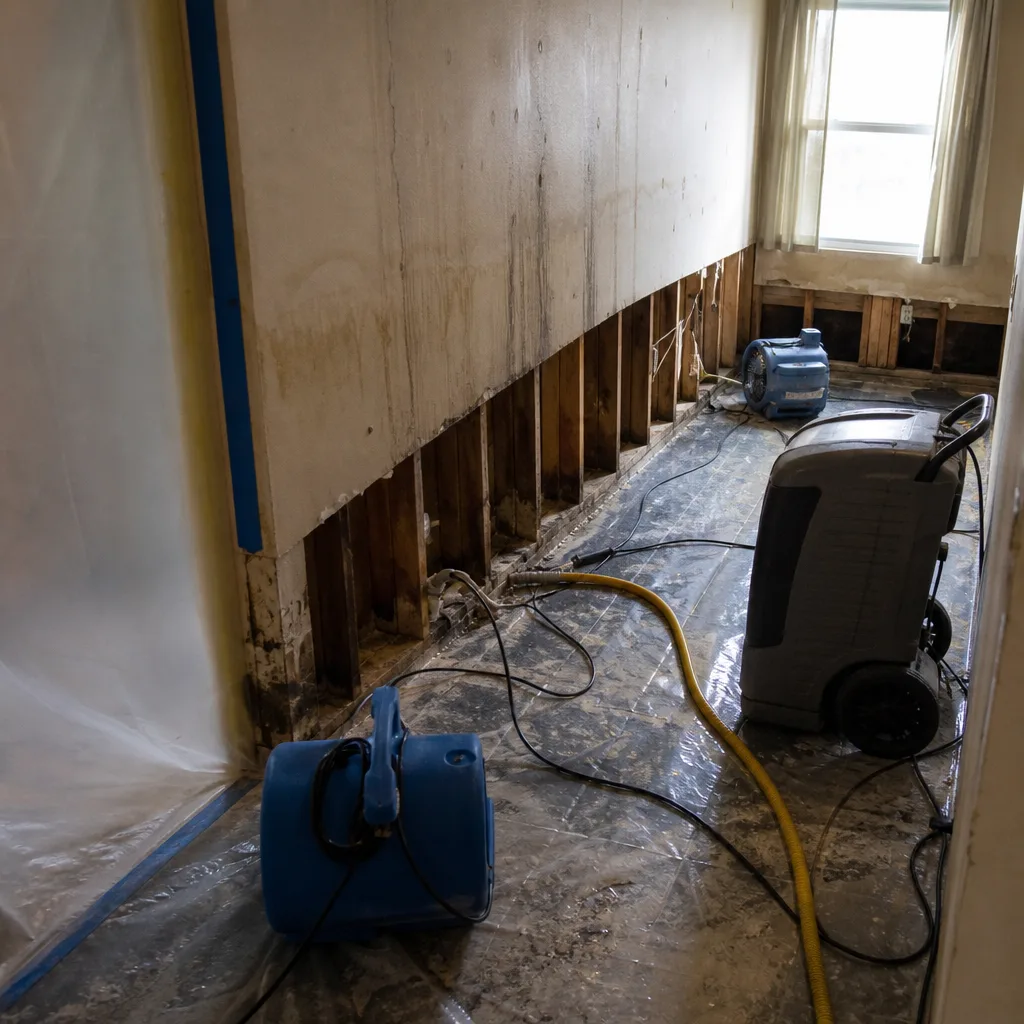 Before
 After
After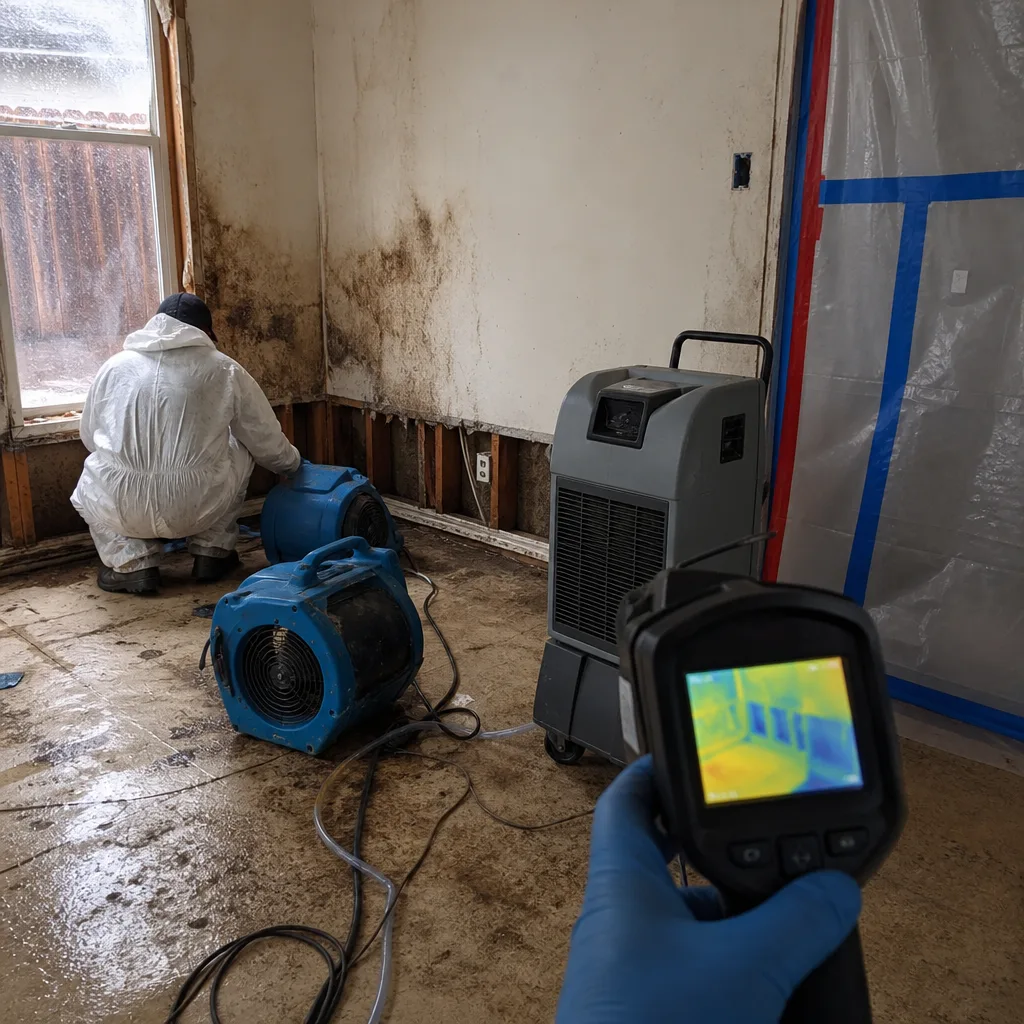 Before
 After
After