
Last updated October 16, 2026
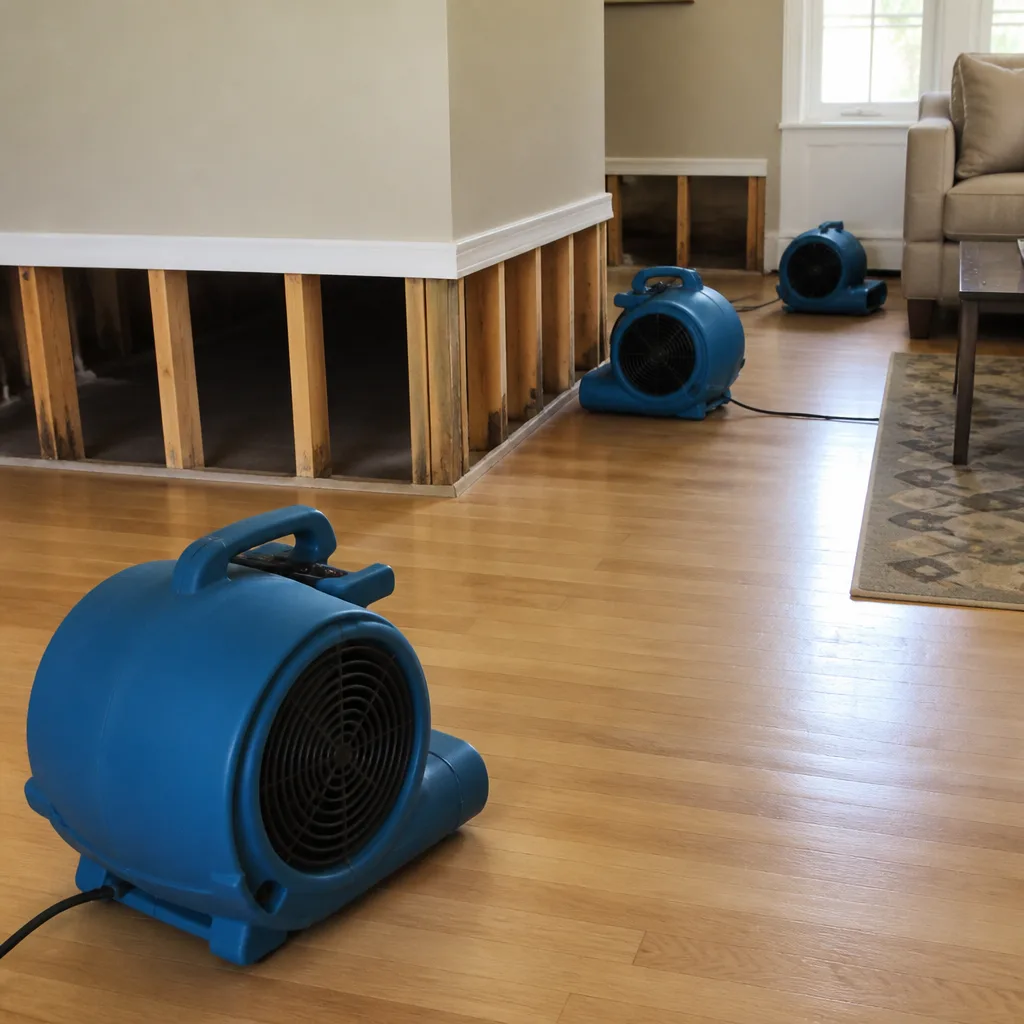 Water damage drying
 Fire & smoke cleanup
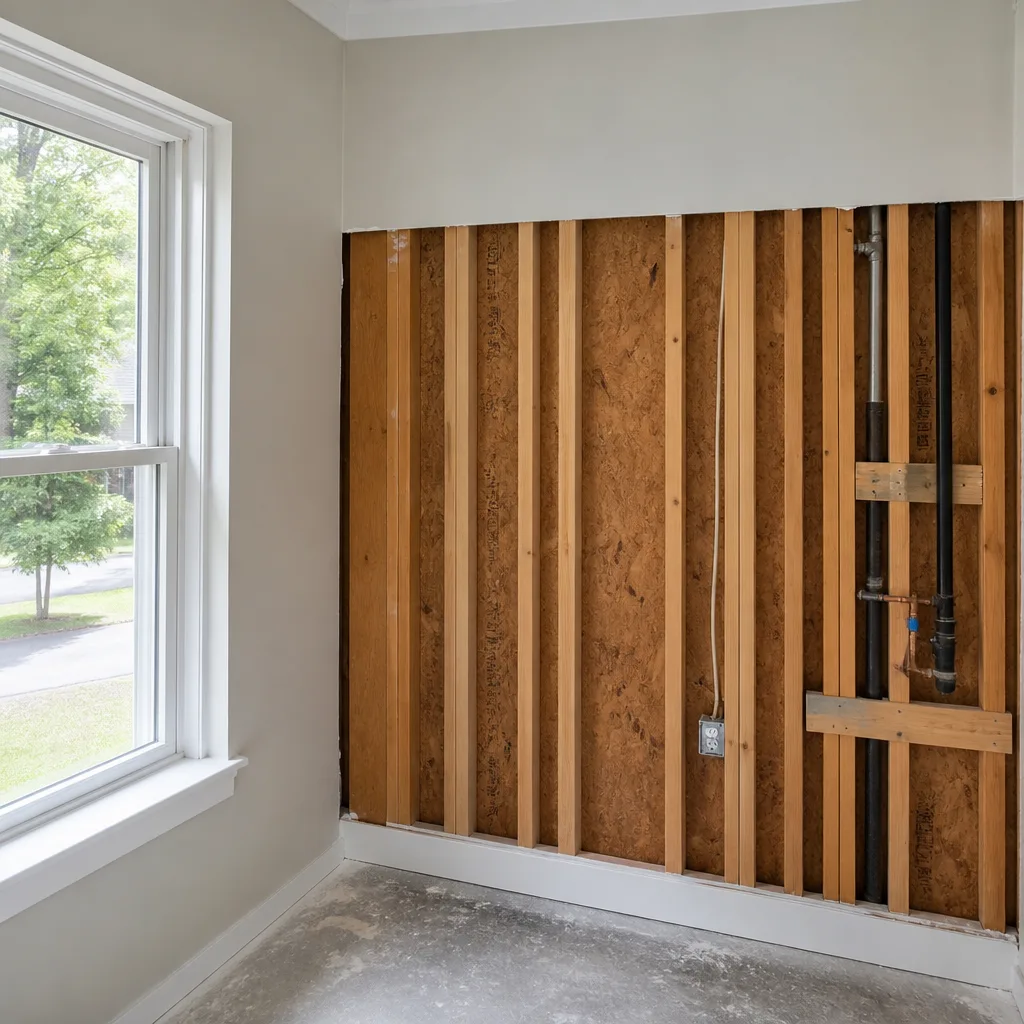 Mold remediation
 Storm response
 Sewage cleanup
 Reconstruction
Free visual inspection and a written scope of work before any mitigation begins - photos, moisture readings, and drying logs go in your claim file
The scope we write is the scope we bill. Anything new gets shown to you, in writing, before we touch it.
Get your free estimateDamage Restoration Permits, Codes & Inspections in CA: What You Need to Know
If a restoration contractor rebuilds a water-damaged bathroom in San Jose without pulling a permit, and you sell that house three years later, the unpermitted work can surface during escrow and kill the deal outright. Buyers’ inspectors flag it, lenders hesitate, and sometimes you’re forced to tear out finished walls for a retroactive inspection that costs more than the original repair. It happens in Santa Clara County every month. This guide explains California’s permit system as a homeowner protection tool: when permits are required, when they’re not, how Title 24 energy code sneaks into restoration work, and how to check your own property’s permit history before it becomes someone else’s problem.
Quick Answer
In California, water and fire damage restoration work generally does not require a permit when you’re replacing like-for-like materials, such as swapping wet drywall for new drywall or replacing damaged flooring with the same type. A permit is required when the restoration changes the structure, moves plumbing or electrical lines, alters the footprint, or upgrades systems beyond the original condition. In San Jose, the Building Division enforces this through the California Residential Code, and unpermitted structural work can jeopardize a future home sale and complicate insurance claims-something we cover in our Damage Restoration Warning Signs: A San Jose Homeowner’s Reference Guide.
Restoration work we handle
Table of Contents
- When a Permit Is Actually Required for Restoration Work in California
- The Like-for-Like Threshold: What San Jose Homeowners Misunderstand
- Title 24 and Restoration: Why Replacing Insulation Triggers Upgrades
- Who Pulls the Permit: Restoration Contractor vs. General Contractor
- What Unpermitted Work Does to Your Insurance Claim in Santa Clara County
- How to Verify Permit Status on Your San Jose Property
- The Inspection Process: What Happens After the Permit Is Pulled
When a Permit Is Actually Required for Restoration Work in California
California building codes live in Title 24 of the California Code of Regulations, but the practical enforcement happens at the city level. San Jose’s Building Division follows the California Residential Code (CRC) with local amendments. Most homeowners assume restoration work automatically needs a permit because it involves walls and structure. That assumption is wrong more often than it’s right.
A building permit is required in San Jose when any of the following occur during restoration:
- Structural changes: You’re removing, altering, or replacing any load-bearing wall, beam, header, or floor joist. Water damage that rotted framing members falls into this category the moment a contractor cuts out damaged wood that carries load.
- Plumbing beyond direct replacement: Replacing a leaking supply line with a new one in the same location typically doesn’t need a permit. Rerouting that line, moving a drain, or adding a fixture does.
- Electrical work beyond device swap: Replacing an outlet damaged by water is fine. Running new circuits, adding outlets, or moving panels requires an electrical permit.
- Egress or occupancy changes: Converting a damaged space into something different, like turning a utility room into a bathroom, changes occupancy classification and always requires permits.
- Exterior envelope changes: Replacing more than a small section of stucco or siding, or opening exterior walls, often triggers permit requirements because weatherproofing and shear requirements come into play.
What surprises most San Jose homeowners is how little of a typical water damage restoration job actually needs a permit. If a supply line bursts in a second-floor bathroom in Willow Glen and soaks the ceiling below, the restoration involves cutting out wet drywall, drying the cavity with professional equipment, treating for mold, and replacing the drywall and paint. None of that requires a permit if the framing is sound and nothing was moved. The moment the framing is compromised, the math changes.
For context on what a full water damage job involves in San Jose, see our Water Damage Restoration in San Jose guide.
The Like-for-Like Threshold: What San Jose Homeowners Misunderstand
The phrase “like-for-like replacement” appears in San Jose’s permit guidance, but many homeowners apply it too broadly. Like-for-like means the new material matches the old material in type, size, location, and function. Replace wet drywall with new drywall of the same thickness in the same location, and no permit is needed. Replace that same drywall with a different wall assembly that adds insulation or changes fire rating, and you’ve crossed the threshold.
Here’s where it gets practical, using situations we’ve seen across San Jose neighborhoods from Almaden Valley to Berryessa:
- Flooring: Replacing water-damaged carpet with new carpet is like-for-like. Replacing it with tile adds dead load to the floor structure and may require a structural check, which can trigger a permit.
- Kitchen cabinets: Swapping damaged base cabinets for new ones in the same footprint is typically fine. Moving the sink from one wall to another during the rebuild is not.
- Windows: Replacing a water-damaged window with the same size window in the same opening usually doesn’t need a permit. Changing the opening size means you’re altering shear walls and exterior framing, which does.
- Roofing: Replacing damaged shingles or underlayment on a section of roof is repair work, not reroofing. Once more than a set percentage of the roof surface is replaced (often 25% in many California jurisdictions), a reroofing permit may apply.
The California Residential Code section R105.2 lists work exempt from permits, and San Jose largely follows it. The exemption covers “repairs” defined as the “reconstruction or renewal of any part of an existing building for the purpose of its maintenance.” But the code also says repairs cannot “affect the structural system, fire protection system, plumbing, mechanical, or electrical system” without a permit. That’s the line most restoration projects in San Jose walk.
When damage extends beyond cosmetic replacement, the work shifts from restoration toward reconstruction. Our Water Damage Repair in San Jose page covers what that scope looks like in practice.
Title 24 and Restoration: Why Replacing Insulation Triggers Upgrades
California’s Title 24 energy code is the sleeper issue in restoration permits. Most homeowners think of Title 24 as something that applies to new construction or major remodels. In reality, when restoration work touches insulation, Title 24 requirements can kick in even if the project is otherwise a no-permit repair.
Here’s how it plays out in San Jose. A water heater leaks in a garage that shares a wall with the living room. The restoration company opens the wet wall to dry the cavity, which means removing the existing fiberglass batt insulation. The current Title 24 energy standards (updated on a three-year cycle, with the 2022 standards effective January 2023 and the 2025 standards phasing in) require specific minimum R-values for wall insulation in climate zone 3, which covers San Jose. If the original insulation was R-13 and the current standard requires R-15 or higher, the contractor cannot simply reinstall the old R-13 material without creating a code compliance issue.
This matters for three reasons:
- Cost: Upgrading insulation adds material and labor cost that wasn’t in the original restoration estimate. A homeowner who authorized “replace insulation” may discover the replacement must meet current code, not the 1985 standard the original insulation met.
- Permit trigger: Some jurisdictions treat insulation replacement that doesn’t meet current code as a change requiring a permit to verify compliance. San Jose’s inspectors will flag non-compliant insulation during any inspection related to the work.
- Insurance reimbursement: Your adjuster may only approve paying for like-for-like insulation, creating a gap between what insurance covers and what code requires. This gap is a known friction point in Santa Clara County restoration claims.
The practical takeaway: if your restoration involves opening walls and replacing insulation, ask the contractor whether the new material meets current Title 24 requirements for San Jose’s climate zone. A contractor who can’t answer that question on the spot is a yellow flag.
Who Pulls the Permit: Restoration Contractor vs. General Contractor
When a permit is required for restoration work, the next question is who actually pulls it. This decision affects liability, inspection responsibility, and what happens if something goes wrong, as we explore in How to Hire a Damage Restoration Contractor in San Jose: A Step-by-Step Guide.
Option 1: The restoration contractor pulls the permit. This works when the restoration company holds the appropriate California contractor’s license classification for the work. For water damage restoration that includes structural repairs, the relevant classifications are typically B (General Building) or C-54 (Ceramic and Mosaic Tile), C-36 (Plumbing), and C-10 (Electrical) for their respective scopes. Many restoration companies in San Jose carry the B license and can pull a building permit directly. The advantage is single-point accountability: one company handles drying, demolition, reconstruction, and inspection coordination.
Option 2: A separate general contractor pulls the permit. This happens when the restoration company specializes in mitigation only, or when the homeowner wants an independent party managing the rebuild. The general contractor then coordinates with the restoration company on the dry-out and the permit. The advantage is separation of duties: the mitigation firm’s job ends when the structure is dry, and the GC owns the rebuild from permit to final inspection.
Which protects you better? In our experience, the stronger position during final inspection is when the same entity that performed the work is the one accountable to the inspector. If the permit is pulled by a GC who subcontracted the actual work, you now have a two-party liability chain. If the inspector finds an issue, the GC points at the restoration sub, and the restoration sub points at the GC. Single-point accountability tends to resolve inspection issues faster.
What matters most is not who pulls the permit but that the permit exists and that the named permit holder is present for inspections. Never let a contractor do work that requires a permit without one, even if they promise to “get to it later.”
For a broader look at how restoration work is structured in San Jose, start with our Wendell Restoration San Jose home page.
What Unpermitted Work Does to Your Insurance Claim in Santa Clara County
Insurance adjusters in Santa Clara County routinely check for permits on structural restoration claims. If the claim involves work that should have been permitted but wasn’t, the consequences can be severe.
Here’s what we’ve seen happen with claims in San Jose and surrounding areas:
- Claim denial or partial denial: The California Insurance Code requires insurers to cover “direct physical loss” but does not require them to cover work performed illegally or without required permits. If unpermitted structural work is discovered, the adjuster may deny the portion of the claim related to that work.
- Depreciation disputes: Even if the claim isn’t denied, the adjuster may argue that unpermitted work diminishes the property’s value, affecting the depreciation calculation and reducing your payout.
- Future premium impacts: Some carriers flag properties with known unpermitted work, which can affect renewal premiums or even nonrenewal in a tight California insurance market.
- Subrogation complications: If the damage was caused by someone else (a contractor’s error, a faulty appliance), the unpermitted repair work can complicate the subrogation process where the insurer seeks recovery from the responsible party.
The cleanest path is straightforward: if the restoration scope includes structural work, get the permit. Document everything. Send the permit number to your adjuster. Photo documentation of the damage, the permit, the work in progress, and the finished repair creates a record that protects you if questions arise later. This is one reason we consistently recommend photo-documented assessments as part of any San Jose restoration project.
Mold remediation adds another layer here. If water damage led to mold growth and the remediation included removing and replacing building materials, the permit question depends on whether the materials were structural. Our Mold Remediation in San Jose guide covers the remediation side in detail.
How to Verify Permit Status on Your San Jose Property
San Jose’s permit portal (accessible through the city’s website under “Building Permits and Inspections”) lets you look up permit history by street address. This is free, takes five minutes, and every San Jose homeowner should do it before listing their property or starting a restoration project.
Here’s the step-by-step:
- Go to the City of San Jose Building Division page and find the permit search tool. You’ll need your street number and street name, or your Assessor’s Parcel Number (APN).
- Search your address and review the permit history. The system shows issued permits, permit type, status (issued, finaled, open, expired), and inspection dates.
- Look for “open” or “expired” permits. An open permit means work was authorized but never passed final inspection. An expired permit means the permit lapsed before completion. Both can complicate a home sale.
- Check for permits that don’t match visible work. If you see an addition on your home but no permit for it in the history, that addition was never permitted.
- Download or screenshot the results for your records, especially if you’re preparing to sell.
What open or expired permits from previous owners mean for your current project: they’re a lien on the property’s compliance record. If you’re applying for a new permit and the system shows an unresolved old permit at the same address, the Building Division may require you to resolve the old permit before issuing a new one. This can mean hiring a contractor to complete or correct work a previous owner started years ago.
In San Jose’s older neighborhoods, especially areas with homes built before 1980, expired permits from decades past are surprisingly common. Many sit unresolved because the original owner sold the house and the new buyer never checked. Before you start any restoration project, run the permit check. It costs nothing and prevents surprises.
The Inspection Process: What Happens After the Permit Is Pulled
Once a permit is issued for restoration work in San Jose, the inspection process follows a set sequence. Understanding this sequence helps homeowners know what to expect and when to be present.
A typical structural restoration permit involves these inspections:
- Rough-in inspection: After framing, plumbing, electrical, and mechanical work is done but before drywall is installed. The inspector verifies the work matches the approved plans and meets code. For water damage restoration, this is the inspection that confirms replacement framing is properly sized and connected.
- Insulation inspection: If walls were opened and insulation replaced, the inspector checks that the new insulation meets current Title 24 requirements. This is where the insulation upgrade issue discussed earlier becomes concrete.
- Drywall inspection: Some San Jose inspectors require a separate inspection after drywall is hung but before taping, primarily to check fastener patterns and fire-rated assemblies where applicable.
- Final inspection: After all work is complete. The inspector does a walkthrough, confirms everything matches the permit scope, and signs off. The permit is then marked “finaled” in the city’s system.
The inspection process typically adds 1 to 2 weeks to a restoration timeline in San Jose, depending on inspector availability and whether any corrections are flagged. Corrections are common: a missing nail plate, insulation that needs a higher R-value, or a smoke detector that needs updating to current code. None of these are disasters. They’re normal parts of the process.
For restoration work that doesn’t require a permit, there are no inspections, which is why the like-for-like determination matters so much. A contractor who correctly identifies a project as permit-exempt saves you time and money. A contractor who incorrectly skips a required permit saves you nothing and creates liability-a distinction we break down in DIY vs Professional Damage Restoration: The San Jose Homeowner’s Decision Guide.
Common Mistakes to Avoid
- Assuming all restoration work needs a permit. Many San Jose homeowners over-permit, adding cost and delay to simple like-for-like repairs. A qualified restoration company can tell you definitively whether your scope triggers permit requirements before any work begins.
- Assuming no restoration work needs a permit. The opposite error is worse. If framing is touched, plumbing is moved, or electrical is extended, a permit is almost certainly required, and skipping it creates a liability that follows the property.
- Letting a contractor talk you out of a permit “to save time.” A reputable contractor never pressures you to skip required permits. The permit protects you, not the contractor. In San Jose’s competitive restoration market, any company suggesting you skip permits on structural work is signaling how they handle other compliance issues.
- Not checking permit history before buying a home. Unpermitted additions, enclosed garages, or DIY remodels from previous owners become your problem at purchase. After closing, the city holds the current owner responsible for permit compliance.
- Assuming insurance covers code upgrades. Standard homeowner policies cover like-for-like replacement. Upgrades required by current code (like the insulation example) often come out of your pocket unless you have ordinance or law coverage, which many San Jose homeowners don’t carry.
- Filing an insurance claim before understanding the permit implications. If your restoration involves structural work, know the permit requirement before the adjuster arrives. Adjusters notice when required permits are missing, and that observation will shape the claim.
- Not keeping permit documentation after the work is done. The finaled permit is a paper asset. Keep it with your closing documents. When you sell, that permit is proof the restoration work was done legally and passed inspection.
See the difference
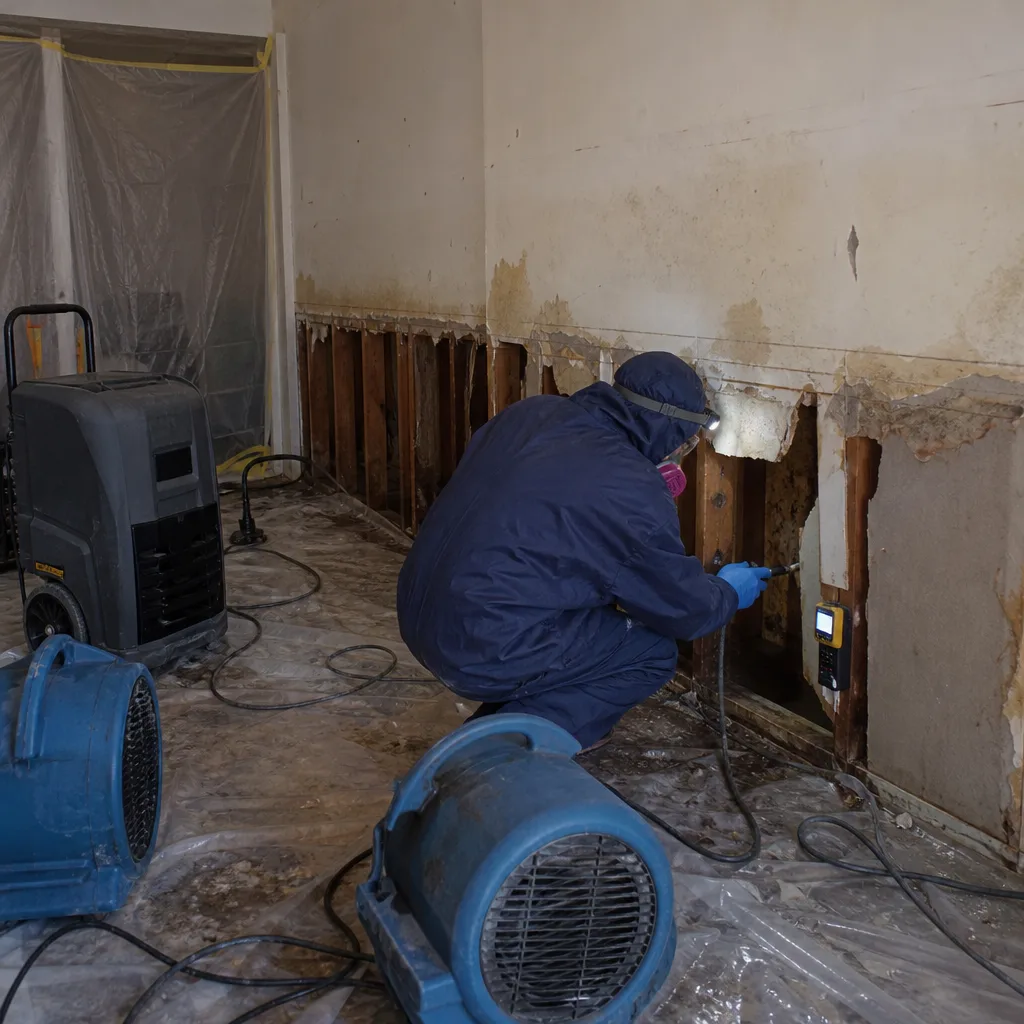 Before
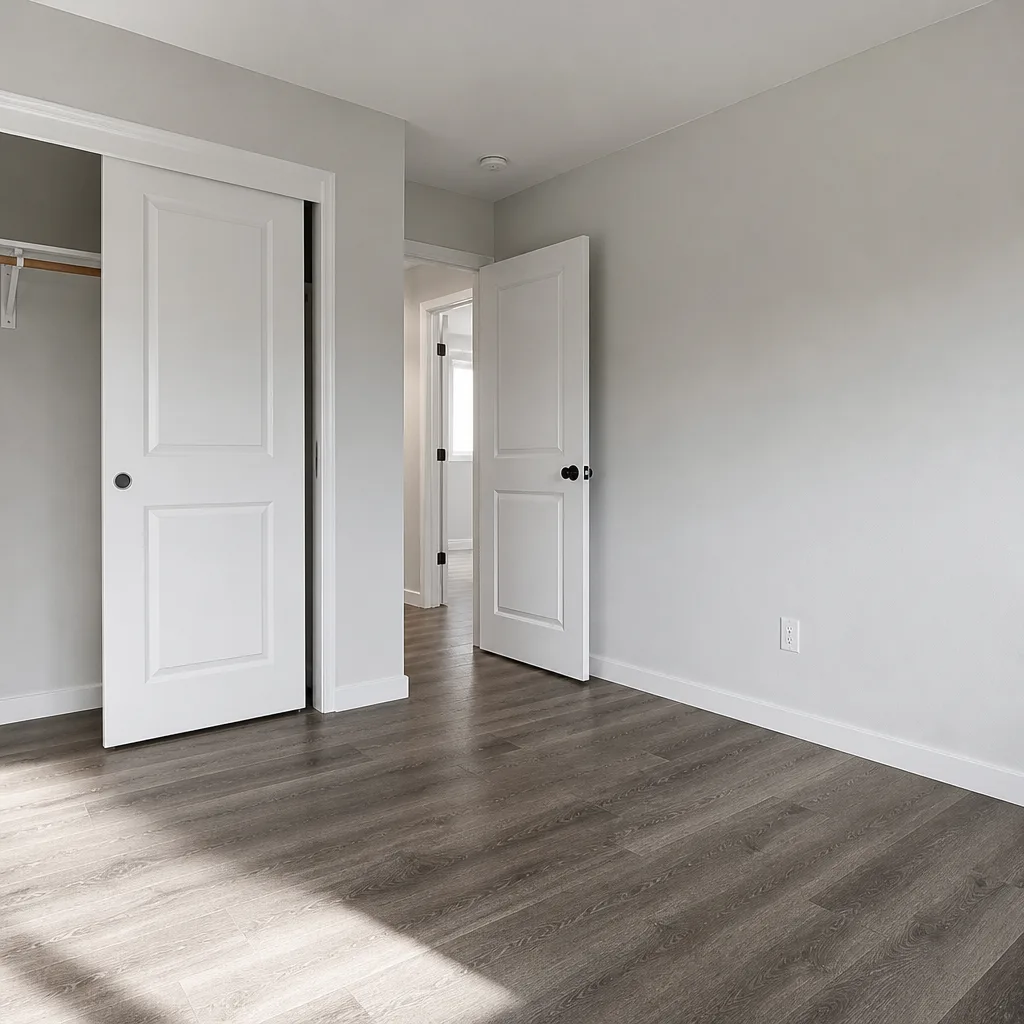 After
After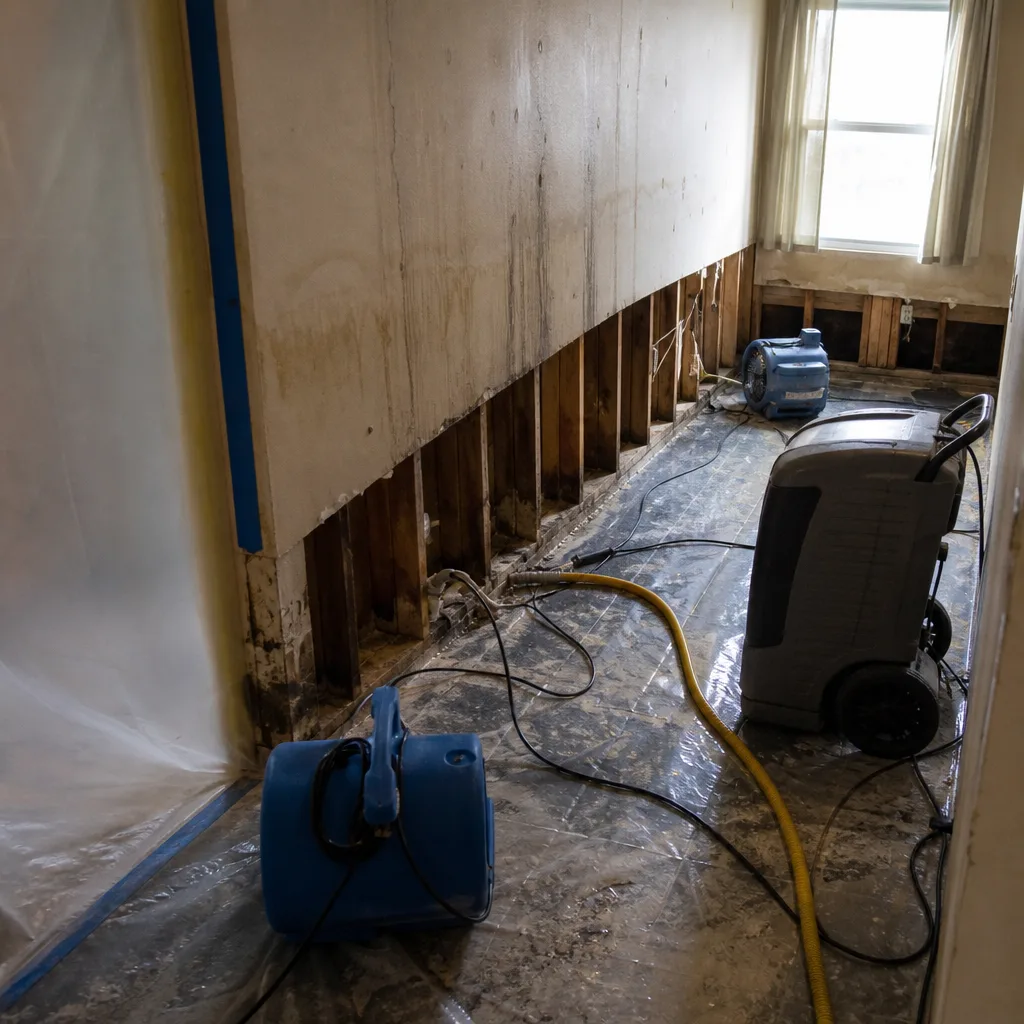 Before
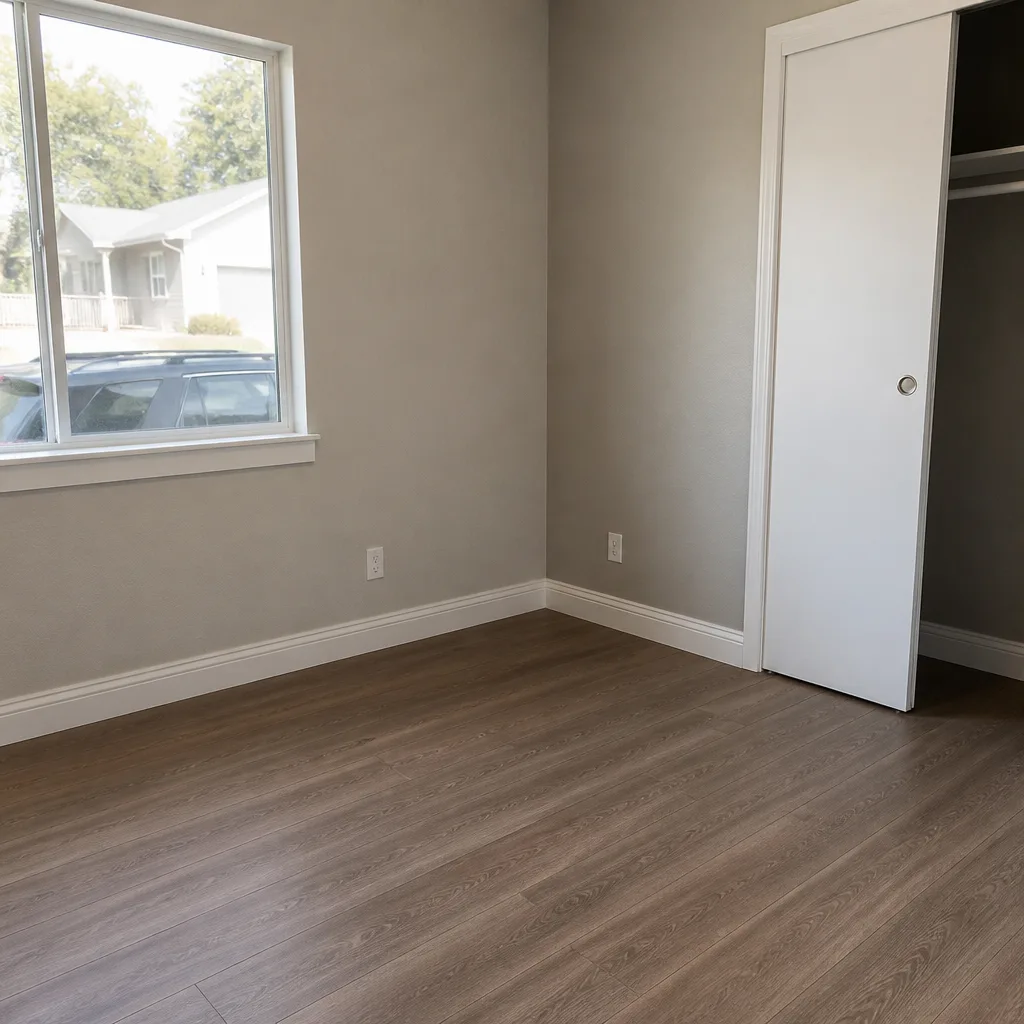 After
After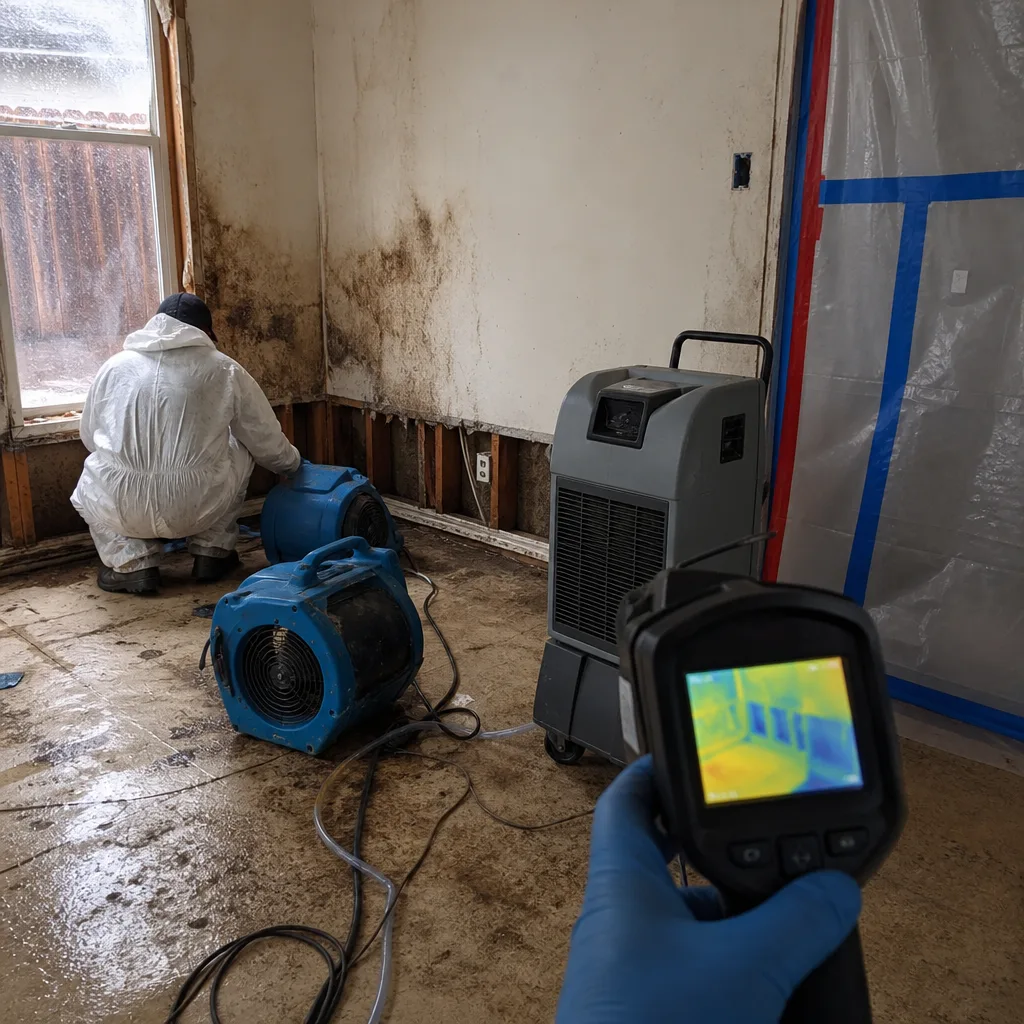 Before
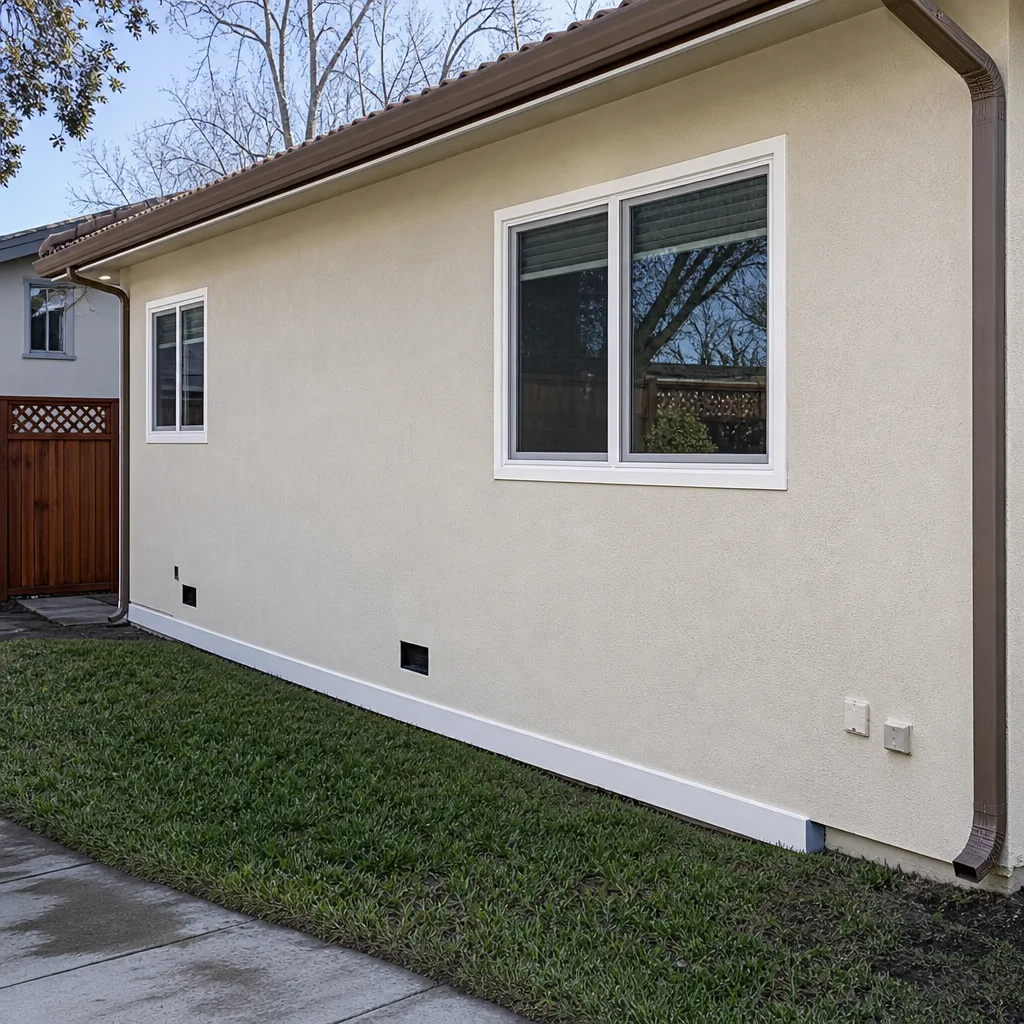 After
AfterWhen to Call a Professional
If water or fire damage has touched any framing member, floor system, or load-bearing element in your San Jose home, call a professional before doing anything else. The same applies when damage extends behind walls into areas where plumbing or electrical lines run, when mold growth is visible beyond surface staining, or when your insurance company has asked for documentation of the damage scope. These situations require both restoration expertise and code knowledge. Wendell Restoration San Jose offers free estimates in San Jose; call (669) 200-0453 and a live person answers, 24/7. We’ll assess the damage, tell you in writing whether permits are required, and give you a written price before any work starts.
Frequently Asked Questions
Water damage restoration that replaces damaged materials with like-for-like materials (same type, size, and location) typically does not require a permit in California. A permit is required when the work involves structural framing changes, plumbing or electrical relocations, or alterations that change the building’s structure or systems. In San Jose, the Building Division applies this standard through the California Residential Code, and the determination depends on the specific scope of damage.
Unpermitted structural work must be disclosed on California’s Transfer Disclosure Statement, and buyers’ inspectors frequently identify it during escrow. The result is often a delayed closing, a price renegotiation, or a requirement that you obtain a retroactive permit, which can mean opening finished walls for inspection. In Santa Clara County’s competitive real estate market, unpermitted work routinely kills deals. Call (669) 200-0453 if you need to resolve permit status before listing your San Jose home.
Search your address on the City of San Jose’s Building Division permit portal using your street address or Assessor’s Parcel Number. The system shows all permits, their status (issued, finaled, open, or expired), and inspection history. Open or expired permits from previous owners become your responsibility as the current property owner and may block new permit applications until resolved.
Standard California homeowner insurance covers like-for-like replacement of damaged materials, but code upgrades required by current regulations are typically only covered if you carry “ordinance or law” coverage, which is an additional endorsement many San Jose homeowners don’t have. When restoration work triggers Title 24 upgrades, the gap between like-for-like and compliant replacement comes out of your pocket unless that endorsement exists.
Yes, a restoration contractor with the appropriate California contractor’s license classification (typically B, General Building) can pull a building permit for structural restoration work in San Jose. Single-point accountability, where the company doing the work is also the company accountable to the inspector, generally resolves inspection issues faster than splitting mitigation and reconstruction between two entities.
Restoration returns a property to its pre-loss condition using like-for-like materials and typically doesn’t require permits. Reconstruction involves structural changes, system alterations, or improvements beyond the original condition, and does. The line between them is defined by the California Residential Code’s repair exemption and San Jose’s local amendments, and a qualified restoration professional can determine which category your project falls into before work begins.
The Bottom Line
Permits in California restoration work are a homeowner protection mechanism. They create a paper trail that proves the work was done correctly, they protect your home sale in the future, and they keep your insurance claim defensible. The key is understanding the like-for-like threshold, checking your property’s permit history before starting work, and working with a contractor who treats permits as a standard part of the job, not an obstacle. In San Jose, the Building Division’s permit portal makes verification free and accessible. Use it before you need it. When you need restoration work that does require permits, get the scope in writing, the permit pulled, and the inspections completed. For more guides & resources on navigating San Jose restoration projects, visit our blog. That’s how a restoration project ends cleanly instead of haunting the property for years.
Written by Blake Sorensen, Owner at Wendell Restoration San Jose, serving San Jose since 2006.