
Last updated October 16, 2026
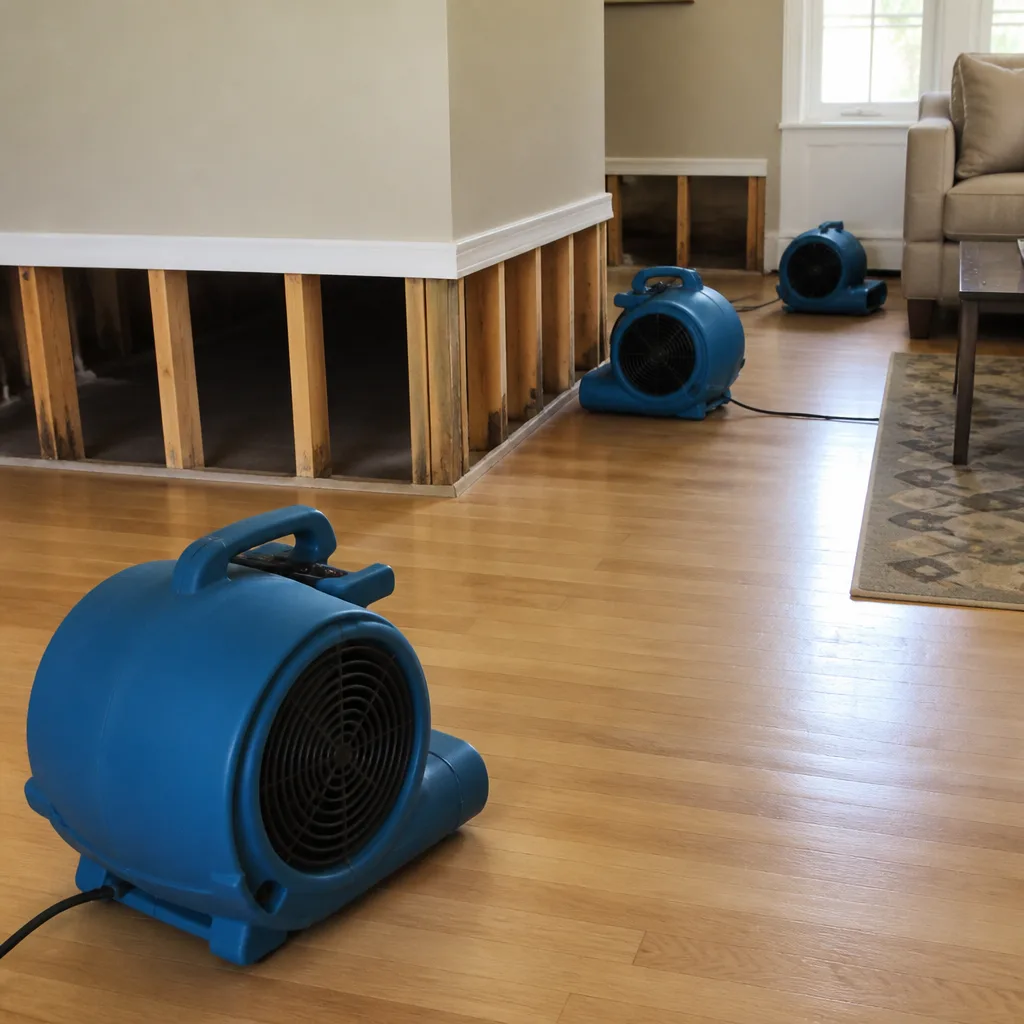 Water damage drying
 Fire & smoke cleanup
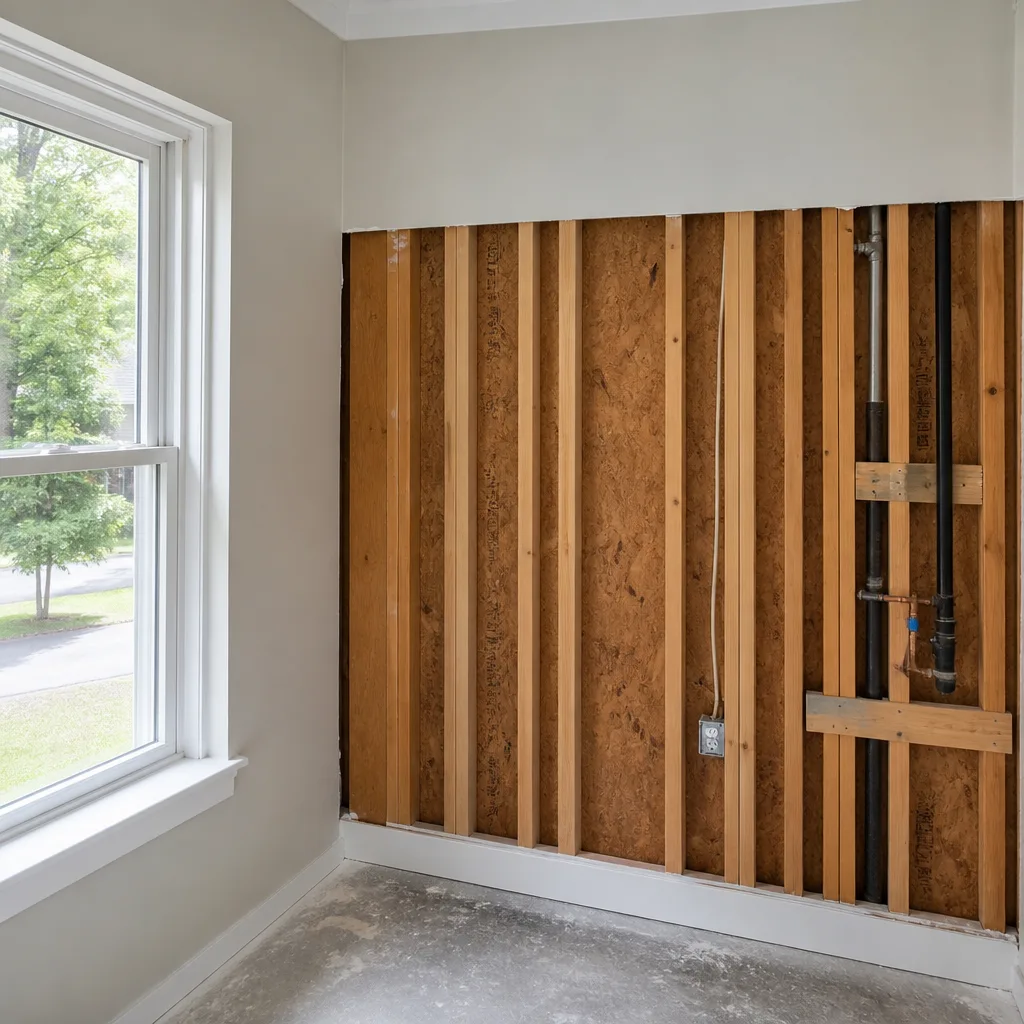 Mold remediation
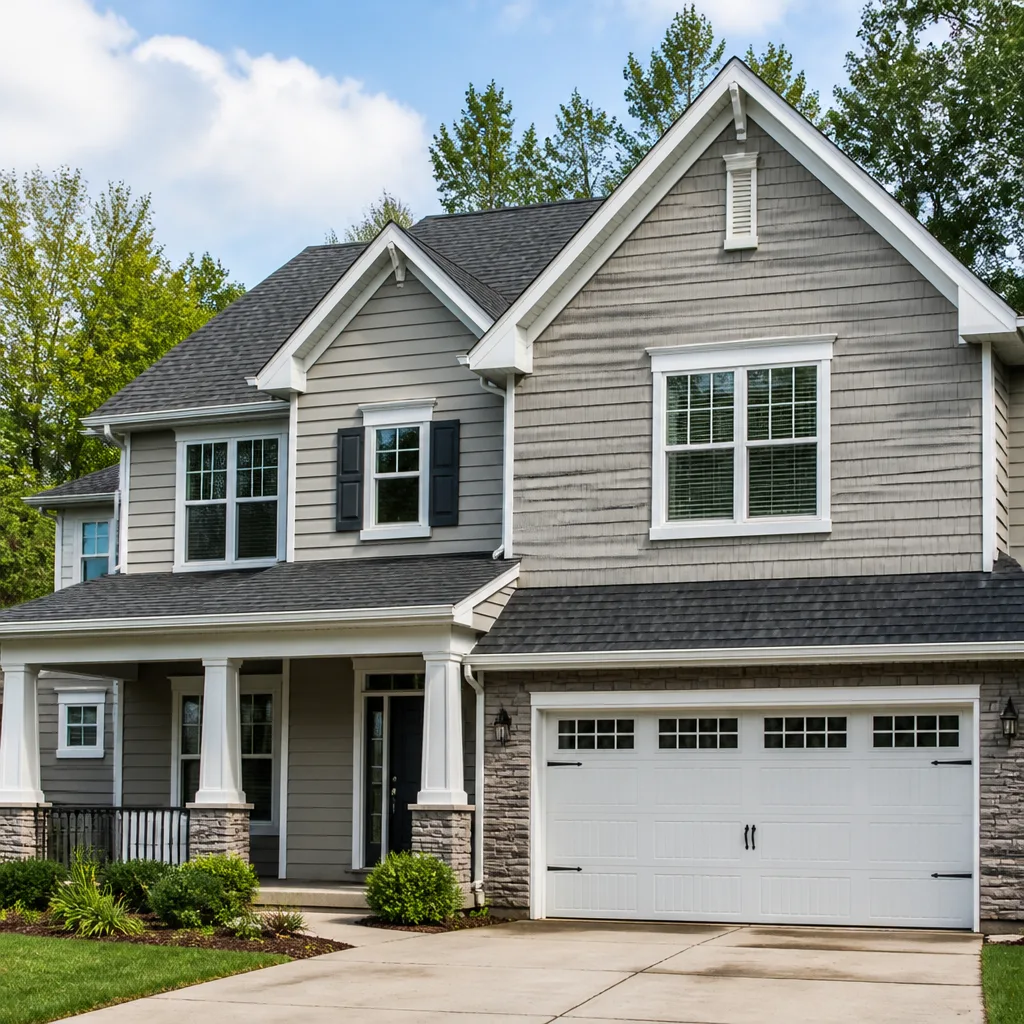 Storm response
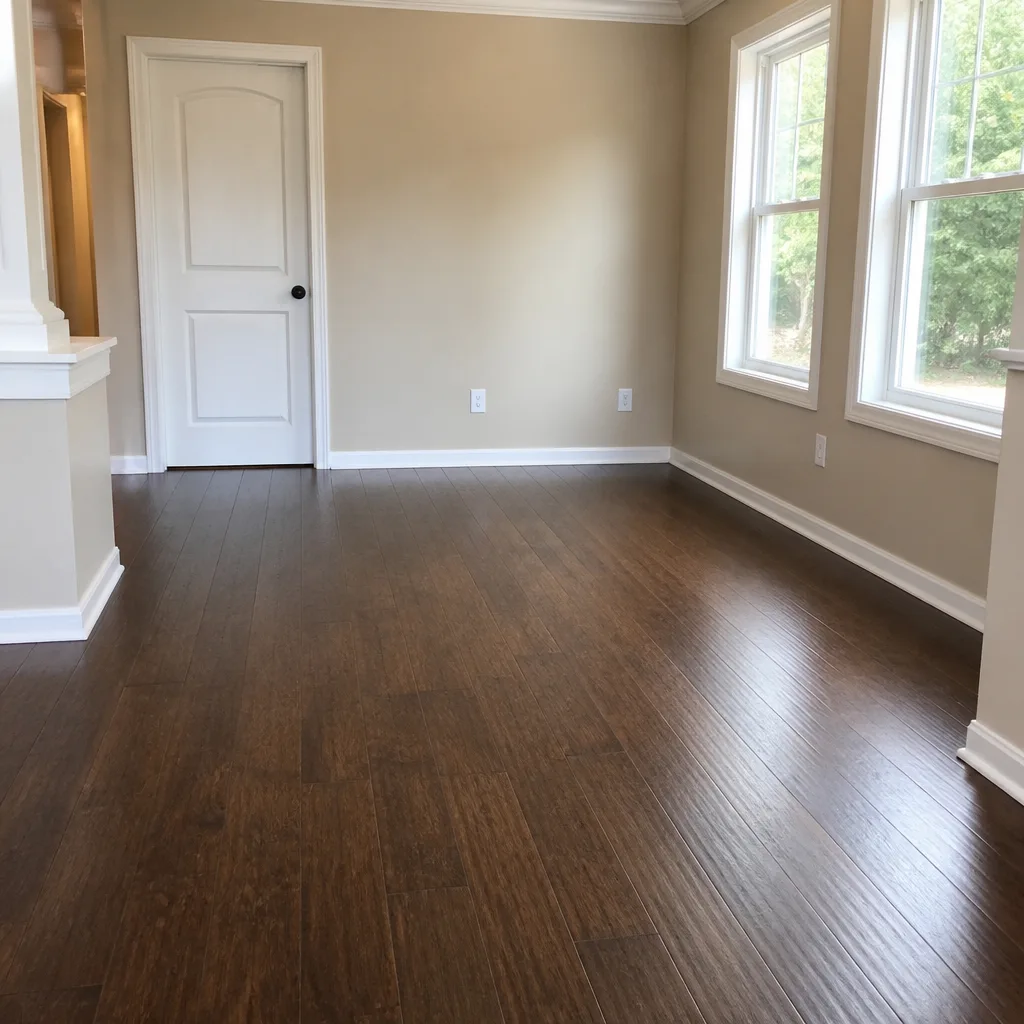 Sewage cleanup
 Reconstruction
Free visual inspection and a written scope of work before any mitigation begins - photos, moisture readings, and drying logs go in your claim file
The scope we write is the scope we bill. Anything new gets shown to you, in writing, before we touch it.
Get your free estimateHow to Hire a Damage Restoration Contractor in San Jose: A Step-by-Step Guide
Here is the uncomfortable truth most San Jose homeowners learn the hard way: the worst time to make a good hiring decision is the exact moment you need a restoration contractor. A pipe bursts in a wall at 2 a.m., water is wicking up drywall, and you’re Googling with wet socks on. The stress is real, the clock is real, and plenty of companies know it. In fact, a company can legally show up at your door with drying equipment in California without holding a single IICRC credential. This guide and our Complete Guide to Damage Restoration in San Jose give you a repeatable vetting process you can execute in under 20 minutes, even mid-emergency, so the company you hire is one you’d choose on a calm Tuesday, not just the first number that answered in a panic.
Restoration work we handle
Quick Answer
To hire a damage restoration contractor in San Jose, verify their CSLB license and IICRC certification first, then ask for a written estimate before any work starts. For a step-by-step breakdown, see our Water Damage Restoration Maintenance Checklist for San Jose Homeowners. Confirm they use professional-grade drying equipment under IICRC standards, get a scope of work with line-item pricing in writing, and never sign an assignment of benefits clause without understanding it fully. A legitimate contractor will answer your questions directly and put the price in writing before touching a single tool.
Table of Contents
- The Exact License and Certification Stack a San Jose Restoration Contractor Should Carry
- Five Questions to Ask Before a Technician Enters Your Home
- How Arrival Time Promises Actually Work: Why “45 Minutes” Often Means 3 Hours
- Red Flags in the Restoration Contract: AOB Clauses, Uncapped Billing, Verbal Change Orders
- How to Compare Multiple Bids: The Scope-of-Work Line Item Method
- What San Jose Homeowners Need to Know: Climate, Codes, and Neighborhood Realities
- What IICRC, RIA, and IFA Standards Actually Mean for Your Home
- Common Mistakes to Avoid
- When to Call a Professional
- Frequently Asked Questions
- The Bottom Line
The Exact License and Certification Stack a San Jose Restoration Contractor Should Carry
When water is spreading through your home, the vocabulary of credentials gets confusing fast. You want the right person for the job, and in California, the pieces don’t always fit together the way you’d assume.
The first layer is the contractor’s license. In California, any contractor performing restoration work that exceeds $500 in labor and materials must hold a license from the Contractors State License Board, known as the CSLB. The two relevant classifications are Class B, General Building Contractor, and C-36, Plumbing Contractor. A Class B license covers the broad scope of restoration work including demolition, drying, and reconstruction. A C-36 license specifically covers plumbing repairs, which matters when the source of the water damage is a failed pipe or fixture. Some restoration companies carry both. At minimum, a legitimate San Jose damage restoration contractor should hold a Class B license. You can verify this in under a minute at the CSLB license lookup tool, where you’ll see the license status, issue date, and any disciplinary history.
The second layer is the IICRC certification. IICRC stands for the Institute of Inspection, Cleaning and Restoration Certification. This is the industry body that sets the technical standards for water damage restoration. The key credential for water damage work is WRT, which stands for Water Damage Restoration Technician. An IICRC-certified firm has proven it follows the S500 Standard and Reference Guide for Professional Water Damage Restoration, the document that defines how drying should actually be done, from initial moisture mapping to final documentation.
Here is what surprises most homeowners: a CSLB license and an IICRC certification are two completely different things. The CSLB license proves the contractor is legal to operate in California. The IICRC certification proves the technicians know how to actually dry a structure properly. A company can hold a valid CSLB license and have zero IICRC-certified technicians on staff. That company can legally show up with drying equipment, but nothing about the work they do is held to any industry performance standard.
Now, what does a lapsed credential look like on the CSLB lookup tool? If a license shows as “Expired,” “Suspended,” or “Revoked,” that’s an immediate stop sign. If the license status says “Active” but the expiration date is approaching, it’s worth asking the company about renewal plans. A legitimate operator keeps their license current. We’ve seen homeowners in the Willow Glen and Rose Garden neighborhoods hire companies with licenses that lapsed months prior, and the result is almost always the same: insurance disputes, delayed work, and no recourse through the CSLB complaint process.
Beyond the CSLB and IICRC, look for RIA and IFA certifications. RIA is the Restoration Industry Association, and IFA is the Inspection, Cleaning and Restoration Association, both of which maintain their own standards and training programs. None of these are required by law in California, which makes them all the more valuable as signals. A restoration company that carries multiple credentials is signaling that it invests in training and adheres to outside standards of accountability. The company we run, Wendell Restoration San Jose, holds all work to IICRC, RIA, and IFA standards, using professional-grade drying equipment from Dri-Eaz and Phoenix, the same brands used on large commercial loss sites.
For a deeper look at what professional water damage work looks like, see our guide to Water Damage Restoration in San Jose.
Five Questions to Ask Before a Technician Enters Your Home
You’ve verified the license, you’ve confirmed the IICRC certification, and the company is on the phone. For more guides & resources on navigating the restoration process, explore our blog. Now the real vetting begins. The questions you ask in the first five minutes of that call will tell you more about the company than any website ever could. Here are the five questions that matter most, and what evasive answers should tell you.
- “Can I see a written estimate before you start?” This is the single most revealing question you can ask. A legitimate restoration company will say yes without hesitation. The price goes in writing before any tool touches your home. A company that hedges, says “we’ll figure it out as we go,” or claims it’s impossible to price water damage before starting is either inexperienced or intentionally vague. Water damage restoration pricing is based on established industry standards and equipment costs. A professional can give you a written scope of work on the spot. If they won’t, end the call.
- “What IICRC certifications do your technicians hold?” Ask for the specific certification, WRT for water damage, and ask if the technicians on your job will hold it. A company that stumbles on this question or says “all our guys are trained” without naming the credential is telling you something. Specifics matter here. “IICRC-certified” means the firm holds certification, but you want to know the individual technicians working in your home are certified too.
- “Whose drying equipment will you use, and can you show me the moisture readings?” Professional restoration companies use professional-grade equipment: Dri-Eaz, Phoenix, XPOWER, B-Air, Injectidry. These are the brands used on commercial loss sites because they move the volume of air and moisture required to actually dry a structure, not just make it feel dry. The follow-up question about moisture readings is even more important. A real restoration job includes psychrometric drying, which means tracking the air’s moisture level throughout the process so you know when your home is truly dry, not just surface-dry. A technician should be able to show you daily moisture readings and explain what they mean in plain language.
- “Can you give me a live arrival time I can track?” In 2026, there is no technical reason a contractor can’t offer this. The question tests whether the company’s operational systems are modern or stuck in the past. A company that offers a trackable ETA is telling you they have invested in dispatch technology and respect your time. A company that gives you a vague four-hour window is telling you they don’t. This matters because every hour of delay on a water damage job means more water wicking into more material.
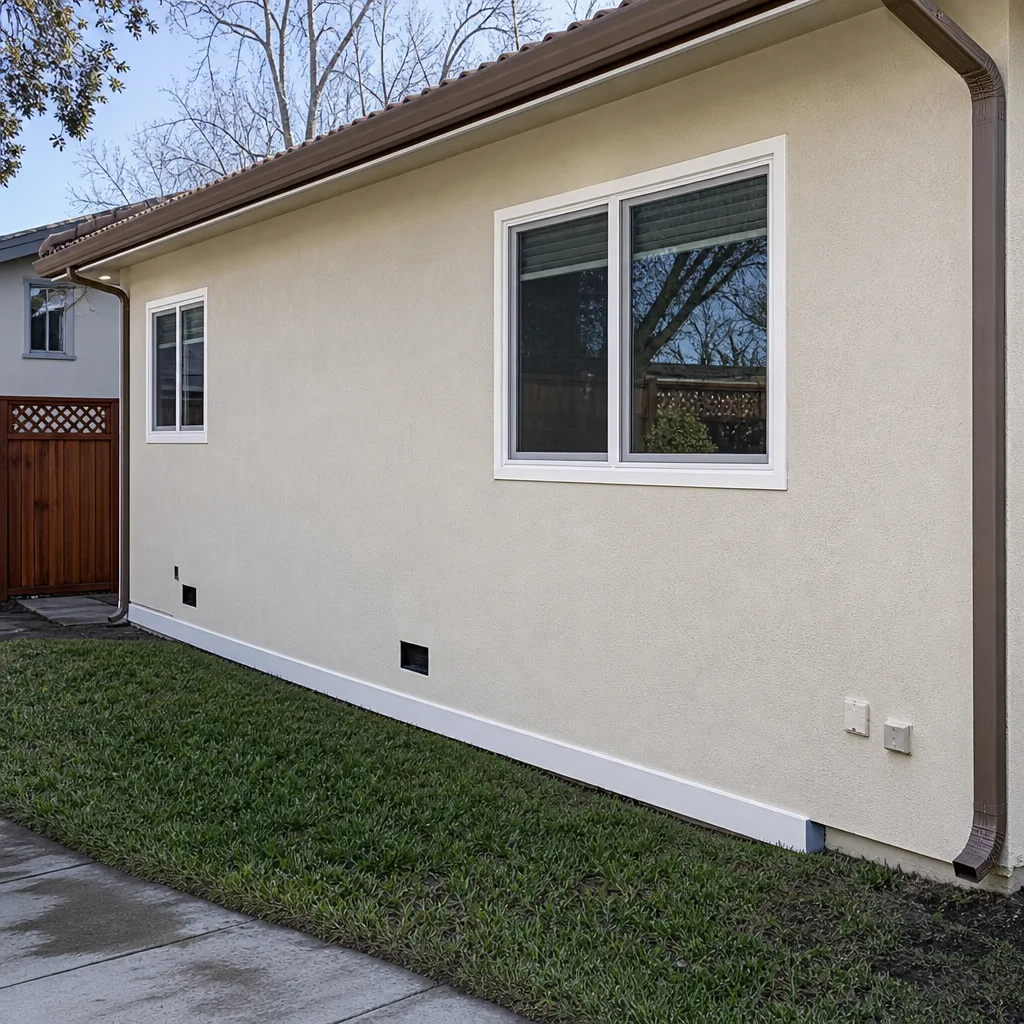
- “Will I get before-and-after photos of the work?” Documentation is the backbone of any insurance claim. A restoration company that documents its work with photos before, during, and after is protecting you. If the company acts like this is an unusual request, that’s a concern. Photo documentation is standard practice for any company that takes insurance work seriously and wants to prove the job was done right. It also gives you a record if something goes wrong later.
Evasive answers to any of these questions should tell you everything you need to know. A company that can’t answer a direct question about price, credentials, equipment, arrival time, or documentation before the work starts will be even harder to pin down after the work is done.
How Arrival Time Promises Actually Work: Why “45 Minutes” Often Means 3 Hours
When water is spreading through your San Jose home, every minute matters. You call a restoration company, and the person on the phone says, “We’ll be there in 45 minutes.” You hang up, wait by the door, and ninety minutes later you’re still waiting. Three hours later, the truck finally pulls up. This is one of the most common complaints in the restoration industry, and it’s worth understanding how the game works so you can tell the difference between a real promise and a script.
The “45 minutes” line is often a dispatch script, not a schedule. When a company tells you a technician will arrive in 45 minutes without knowing where you live, what traffic looks like on Highway 101 or 880, or where their nearest crew actually is, they’re telling you what you want to hear. The real arrival time depends on where the technician is, traffic conditions in San Jose at that hour, and whether they’re finishing another job. A company that can’t show you where the technician is has no way of actually knowing when they’ll arrive.
What a trackable ETA looks like is fundamentally different. When you book through a modern dispatch system, you get a live arrival time you can watch update in real time, the same way you track a rideshare. You see the technician’s name, their photo, and their route to your house. If they’re running 15 minutes behind, you see that too. This is the difference between a company that manages its operations with software and one that manages with a dispatcher’s best guess.
Why does this matter for restoration work specifically? Because water damage has a compounding effect. In a San Jose home with typical construction materials, water that sits for six hours does significantly more damage than water that sits for two hours. Drywall wicks moisture upward, hardwood floors cup and warp, and mold can begin developing in as little as 24 to 48 hours under the right conditions. Every hour of delay is measurable in dollars and in the scope of the eventual repair.
We run Wendell Restoration San Jose with this in mind. Our dispatch system sends you a live arrival time you can track before the technician leaves the shop. You know who is coming, when they will arrive, and what it will cost before anyone walks through your door. That’s how arrival time promises should work, and it’s a standard worth holding every restoration contractor to.
Red Flags in the Restoration Contract: AOB Clauses, Uncapped Billing, Verbal Change Orders
You’ve verified the license, asked the right questions, and the company sent you a contract. This is the moment most homeowners skim and sign, and that’s a mistake. Restoration contracts are unique because they’re signed under pressure, often on a tablet at your kitchen counter while water is actively dripping somewhere. The red flags below are the ones that consistently cause problems for San Jose homeowners after the work is done.
Assignment of Benefits clauses, known as AOB, are the biggest one to watch for. In an AOB agreement, you sign over your rights to the insurance claim to the restoration contractor. The contractor then bills your insurance company directly, and you lose your seat at the table. In states where AOB abuse has been rampant, contractors have inflated claims, sued insurers, and left homeowners stuck in the middle. California has not seen the same level of AOB abuse as Florida, which effectively reformed its AOB laws after the practice exploded, but the clause still appears in some restoration contracts in San Jose. The issue is simple: when you sign an AOB, you give up control of your claim. A legitimate restoration company can bill your insurance directly without an AOB. If a contractor insists on one, that’s a red flag.
Open-ended “time and materials” billing without caps is the second common problem. Some contracts say the work will be billed on a time and materials basis, meaning you pay for the hours worked and the materials used, without any ceiling on the total. For a small water damage job, that might be fine. For a large mitigation and reconstruction job, it can spiral. What you want is a time and materials contract with a not-to-exceed cap, or better yet, a fixed-price scope of work agreed in writing before work starts. If the company can’t tell you what the job will cost before starting, that’s a problem.
Verbal-only change order agreements are the third red flag. Mid-job, a technician might say, “We found more damage behind this wall, so we need to add a day of drying and another air mover.” That might be entirely legitimate, water damage often extends beyond what’s visible. But the change order should be written, priced, and signed before the additional work happens. A verbal change order is how a $3,000 job becomes a $7,000 job without any record of why. Insist on written change orders for every scope adjustment, no exceptions.
The contract itself should be short enough to actually read. If it’s 16 pages of fine print, that’s not necessarily bad, but it is worth reading before signing. Look for the price, the scope of work in line-item detail, the payment schedule, and the warranty terms. If any of those are missing or vague, ask for them in writing before you sign.
How to Compare Multiple Bids: The Scope-of-Work Line Item Method
Let’s say you’re diligent. You call three restoration companies in San Jose, and you get three quotes: $4,200, $6,800, and $9,500. The temptation is to pick the cheapest. The problem is that those three numbers probably don’t describe the same job. One quote might include demolition and hauling. Another might not. One might include antimicrobial treatment (applying agents that prevent mold and bacteria from growing on wet materials). Another might skip it. Comparing bottom-line numbers without comparing what’s actually in the work is comparing apples to brake pads.
The fix is to compare scope-of-work line items. Every legitimate restoration estimate should break the work into individual line items: emergency water extraction, containment setup, equipment rental per day, quantities of air movers and dehumidifiers, demolition and disposal, antimicrobial application, drying monitoring, and reconstruction. When each estimate is broken into line items, you can see exactly what you’re paying for and make a genuine comparison.
Here is a simple method to execute in under 20 minutes:
- Ask each company for a written scope of work with line-item pricing. If a company won’t provide it, eliminate them immediately.
- Create a simple spreadsheet with each line item as a row and each company as a column. The line items will differ between companies, which is exactly what you want to see.
- Look for what’s missing. If one quote doesn’t include antimicrobial treatment and the others do, that explains a price difference and tells you the cheaper quote isn’t actually comparable.
- Compare equipment quantities and days. One company might quote 3 days of drying with 4 air movers and 2 dehumidifiers. Another might quote 5 days with 6 air movers and 3 dehumidifiers. The second company is quoting a more thorough drying process, and that’s worth the extra money in most cases.
- Ask about the warranty on each quote. A company that offers a written guarantee on the repair is taking responsibility for the work. One that doesn’t is signaling something.
We put the price in writing before any work starts at Wendell Restoration San Jose, and that price is the number you pay. The scope of work is itemized so you can see exactly what you’re paying for, from the first extraction to the final coat of paint. We also include a written guarantee on every repair, and if the repair fails within the covered period, we make it right.
What San Jose Homeowners Need to Know: Climate, Codes, and Neighborhood Realities
San Jose is not San Diego, and it’s not San Francisco. The restoration challenges here are shaped by a specific set of local conditions that matter when you’re hiring a contractor.
The first is the climate. San Jose sits in the Santa Clara Valley, with a Mediterranean climate that produces hot, dry summers and mild, wet winters. The rainy season, typically November through March, is when water damage calls spike. Heavy rain overwhelms drainage systems, saturated soil pushes water against foundations, and homes built decades ago show their vulnerabilities. For year-round protection tips, see our Seasonal Damage Restoration Care for San Jose: Year-Round Homeowner’s Guide. San Jose also sees water damage year-round from non-weather sources: aging copper pipes, water heater failures, and appliance leaks. The average home in San Jose was built in the 1960s or 1970s, and plumbing systems from that era are reaching the end of their service life. We regularly see slab leaks in neighborhoods like Almaden Valley and Cambrian, where copper pipes installed decades ago have finally given out.
The second is the housing stock. San Jose has a wide range of construction types, from 1950s ranch homes in Willow Glen to 1990s tract housing in Evergreen to newer townhome developments in North San Jose. Each construction type dries differently. A 1950s home with plaster walls and hardwood floors requires a different drying strategy than a 1990s home with drywall and carpet. A restoration company that treats every home the same is going to get some of them wrong. The best contractors understand the specific construction types common in San Jose neighborhoods and adjust their approach accordingly.
The third is the permit and code environment. San Jose has specific requirements for construction and reconstruction work performed after water damage, and a reputable restoration contractor should know them. Work that requires a permit must be permitted. If a contractor suggests skipping permits to save money or move faster, that’s a red flag. Unpermitted work can haunt you when you sell the home, and it can void your insurance coverage.
For mold-related issues, our guide to Mold Remediation in San Jose covers what to expect when water damage has progressed to mold growth.
What IICRC, RIA, and IFA Standards Actually Mean for Your Home
You’ve seen the acronyms. IICRC. RIA. IFA. They appear on restoration company websites, contractor profiles, and insurance adjuster paperwork. But what do they actually mean for the work happening in your home?
IICRC, the Institute of Inspection, Cleaning and Restoration Certification, is the most important one. The IICRC publishes the S500 Standard, which is the definitive reference for professional water damage restoration. The S500 defines how to inspect a water damage site, categorize the water (clean, gray, or black), determine the drying goal, select and place equipment, and document that the structure has reached a dry standard. When a company says they follow IICRC standards, they’re saying they follow the industry’s technical playbook. When technicians hold IICRC certifications like WRT (Water Damage Restoration Technician) or ASD (Applied Structural Drying), they’ve passed exams proving they understand the science behind drying a building.
RIA, the Restoration Industry Association, is a trade association focused on the business and technical sides of restoration. RIA provides advanced training, publishes technical guidance, and advocates for industry standards. An RIA membership signals that a company is engaged with the broader restoration community and committed to professional development.
IFA, the Inspection, Cleaning and Restoration Association, similar to IICRC, focuses on training and certification within inspection, cleaning, and restoration. IFA certification covers cleaning and restoration standards and complements IICRC credentials.
None of these certifications are required by California law. That’s the crucial point. A contractor can operate legally in San Jose without a single IICRC, RIA, or IFA credential. The certifications exist because the industry recognized that untrained work was causing real harm, and they serve as voluntary signals of competence. When you’re hiring a restoration contractor, asking about these certifications is one of the fastest ways to separate professionals from opportunists.
At Wendell Restoration San Jose, we operate under IICRC, RIA, and IFA standards, and our technicians use professional-grade equipment from Dri-Eaz and Phoenix. That equipment matters because consumer-grade fans and dehumidifiers simply don’t move enough air or pull enough moisture to dry a structure properly. The equipment used on your job should be the same equipment used on a commercial loss site.
Common Mistakes to Avoid
- Hiring the first company that answers the phone. Speed matters in a water damage emergency, but a five-minute verification of the CSLB license and IICRC certification is worth the delay. A company that can’t pass that check was never going to serve you well.
- Signing an assignment of benefits clause without understanding it. When you sign an AOB, you give up control of your insurance claim. In California, you don’t need to sign one to get professional restoration work done.
- Accepting a bottom-line quote without a line-item scope of work. A single number tells you nothing about what’s included. Get the scope of work in writing, broken into individual line items, before comparing any quotes.
- Trusting a verbal change order. Mid-job changes happen, and they’re often legitimate. But every change should be written, priced, and signed before the additional work begins. Verbal agreements are how disputes start.
- Assuming a CSLB license means IICRC certification. These are two different credentials that prove two different things. Verify both.
- Skipping the moisture readings. A restoration job is only done when the moisture meter says it’s done. If your contractor can’t show you the readings, they can’t prove the job is complete.
- Choosing the lowest bid without asking why it’s lower. In restoration, a lower bid often means fewer line items, less powerful equipment, shorter drying times, or no warranty. Ask what’s missing before you celebrate the savings.
When to Call a Professional
Some water damage situations are manageable on your own: a small spill that you catch immediately and dry within hours, a leak under a sink that hasn’t spread. But most water damage in San Jose homes is beyond the scope of DIY. Call a professional when water has wicked into drywall or flooring, when the water source is contaminated (anything from a toilet, dishwasher, or exterior flood), when the affected area is larger than about 10 square feet, or when water has been sitting for more than 24 hours. Mold development is a real risk after 24 to 48 hours, and once mold takes hold, the job becomes a mold remediation project, not just a drying job. Wendell Restoration San Jose offers free estimates in San Jose, call (669) 200-0453 and we’ll tell you what you’re dealing with and what it will cost before any work starts.
If the damage has progressed beyond drying into reconstruction, see our guide to Water Damage Repair in San Jose for what full-scale repairs involve.
Frequently Asked Questions
Water damage restoration in San Jose typically costs between $1,500 and $6,000 for a standard room-level water damage event, with larger or more complex jobs running higher. The final price depends on the size of the affected area, the category of water, the number of days of drying required, and whether reconstruction is needed. A written estimate with line-item pricing is the only way to know your actual cost before work starts. Call (669) 200-0453 for a free estimate on your specific situation.
With a modern dispatch system, a restoration company can give you a live arrival time before the truck leaves the shop, and that ETA updates in real time as the technician travels. Companies that offer trackable arrival times are typically easier to hold accountable than those that give vague windows. Every hour of delay on a water damage job means more water wicking into more material, so arrival speed genuinely matters.
Most homeowners insurance policies cover sudden and accidental water damage, such as a burst pipe or an appliance failure, but not gradual damage from long-term leaks or lack of maintenance. The best path is to have your restoration contractor document everything with before-and-after photos and provide a detailed scope of work that you can submit directly to your adjuster. You don’t need to sign an assignment of benefits to bill your insurance.
Professional drying equipment from brands like Dri-Eaz and Phoenix moves significantly more air and removes significantly more moisture than consumer-grade fans and dehumidifiers. The difference matters because water that remains trapped in drywall, subflooring, or framing becomes a breeding ground for mold. Psychrometric drying, which tracks the air’s moisture level to confirm the structure is truly dry, is only possible with professional equipment and proper moisture meters.
Water damage restoration addresses the immediate water: extraction, drying, and repair of damaged materials. Mold remediation addresses the mold that has grown as a result of water that wasn’t dried in time, and it involves containment, removal of mold-affected materials, and treatment to prevent regrowth. If water has been sitting for more than 48 hours or you can see or smell mold, you likely need Mold Remediation in San Jose in addition to water damage restoration.
The job is done when the moisture meter says it’s done. A legitimate restoration company will show you daily moisture readings and establish a dry standard based on the unaffected building materials. When the affected materials reach that dry standard, the drying is complete. Surface dryness is not the goal; the structure must be dry throughout, and the only way to prove that is with documented moisture readings.
The Bottom Line
Hiring a damage restoration contractor in San Jose doesn’t need to be a leap of faith. Verify the CSLB license and IICRC credentials, ask for a written estimate before work starts, demand a line-item scope of work, and refuse verbal change orders. A legitimate restoration company will welcome all of these requests because they’re already doing those things. The companies that push back are the ones you want to avoid. Water damage is stressful enough without wondering whether the company you hired knows what it’s doing. With a 20-minute vetting process, you’ll know. For more on how we work, start at our Wendell Restoration San Jose home page, and if you’re dealing with active water damage right now, call (669) 200-0453.
Written by Blake Sorensen, Owner at Wendell Restoration San Jose, serving San Jose since 2006.
See the difference
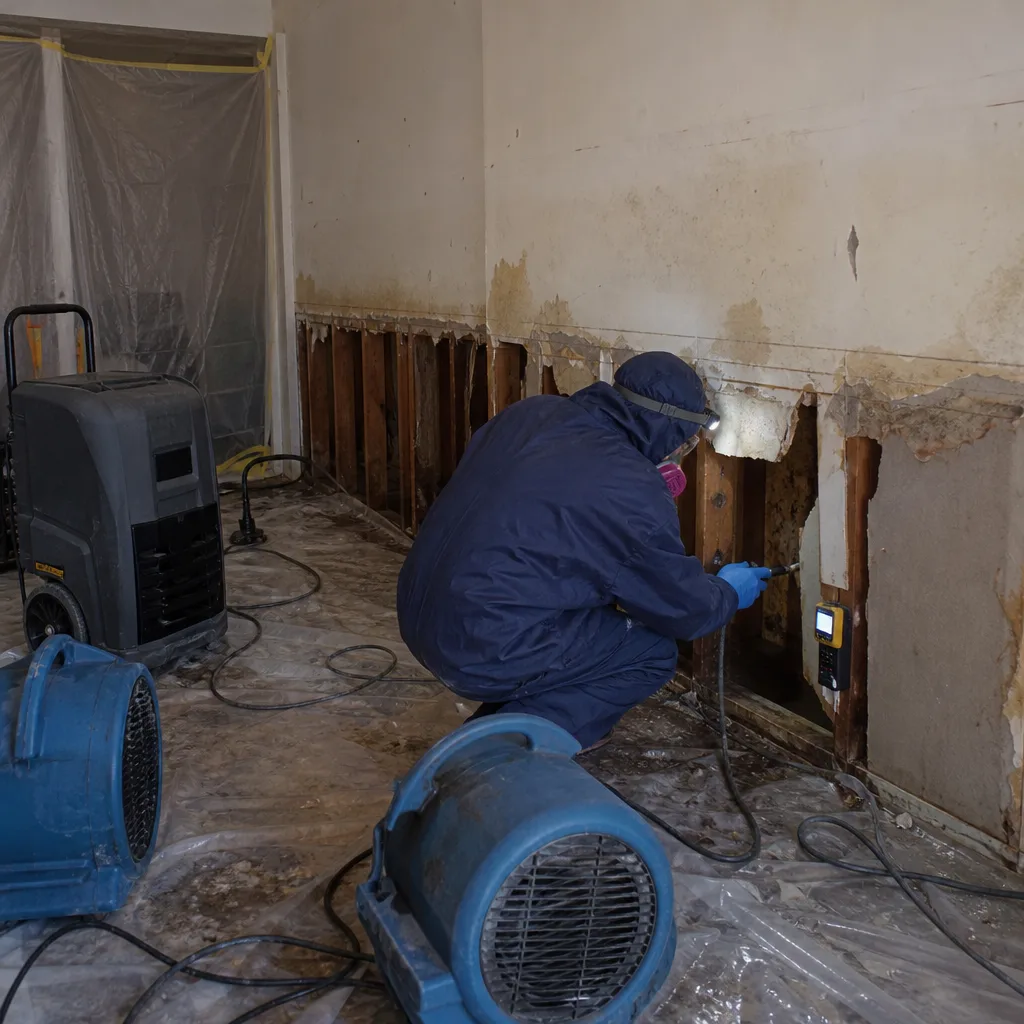 Before
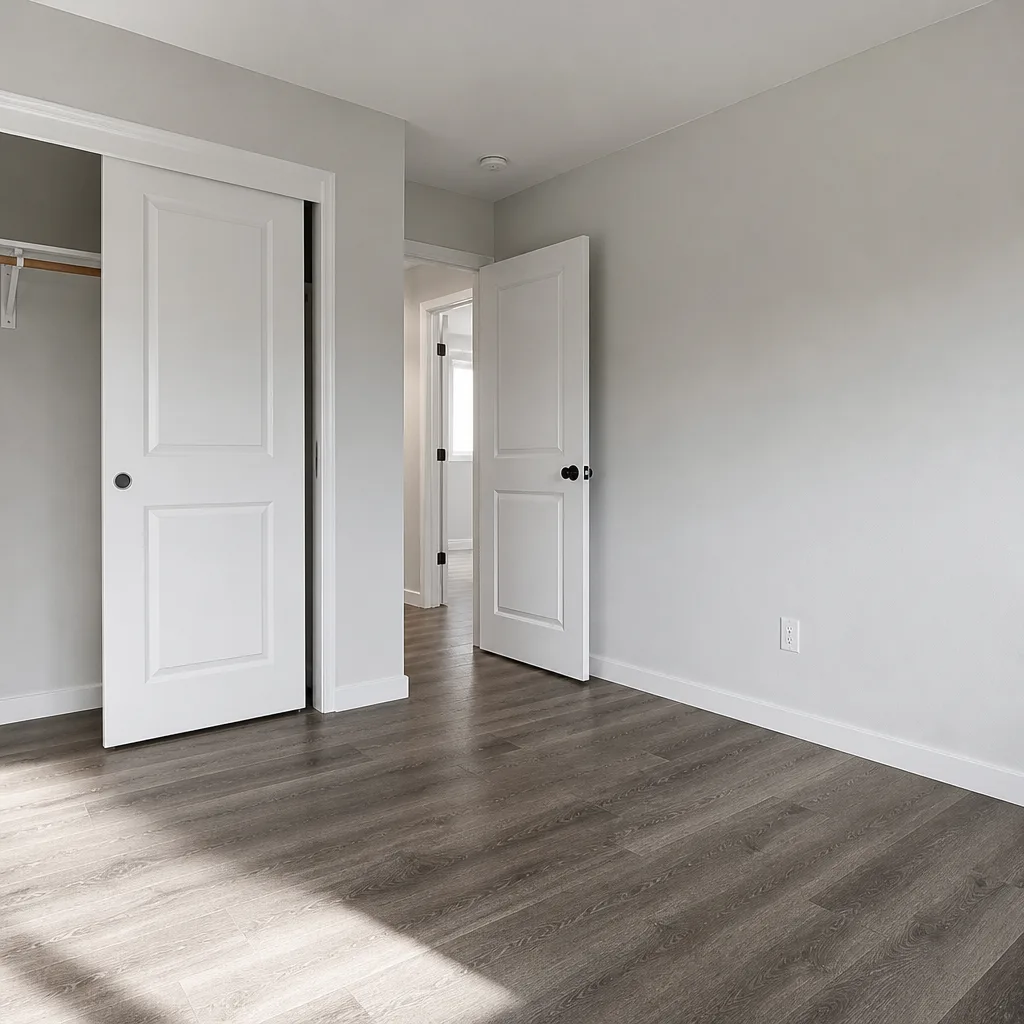 After
After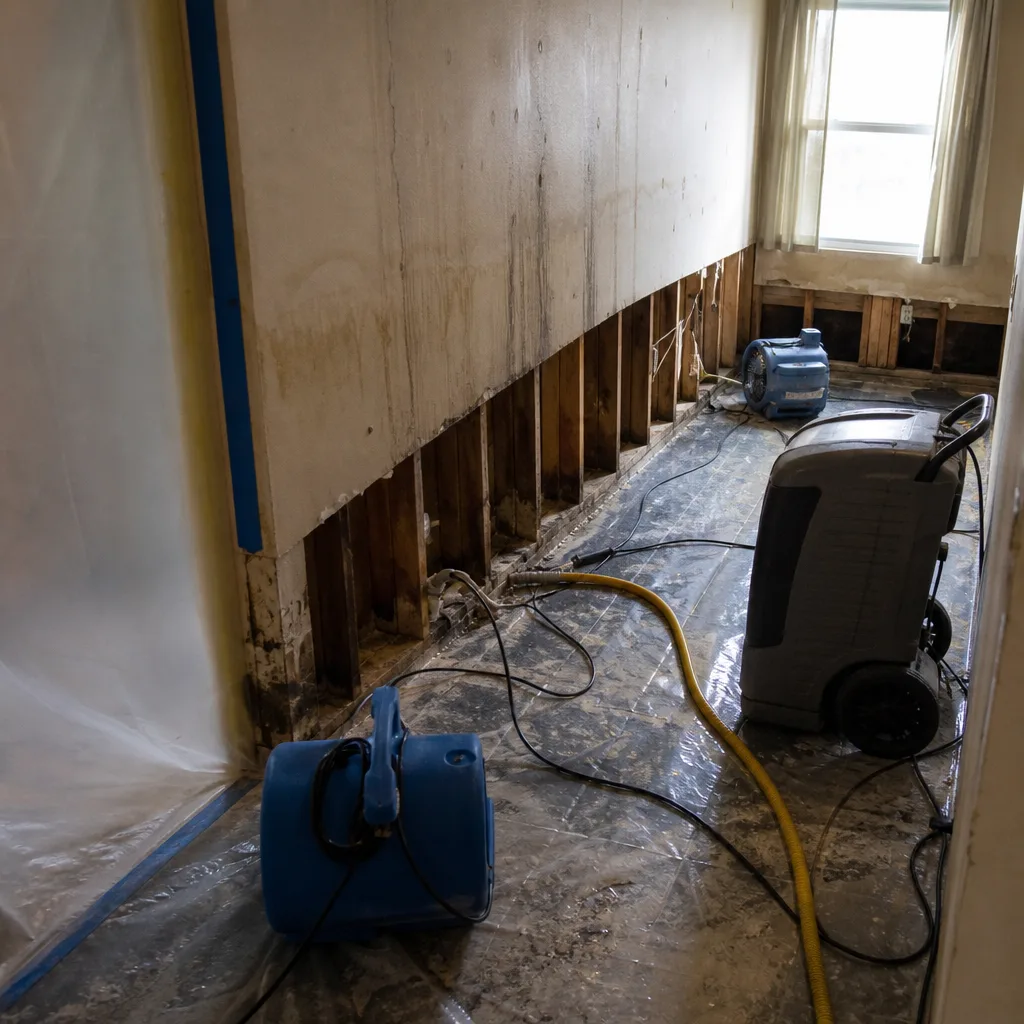 Before
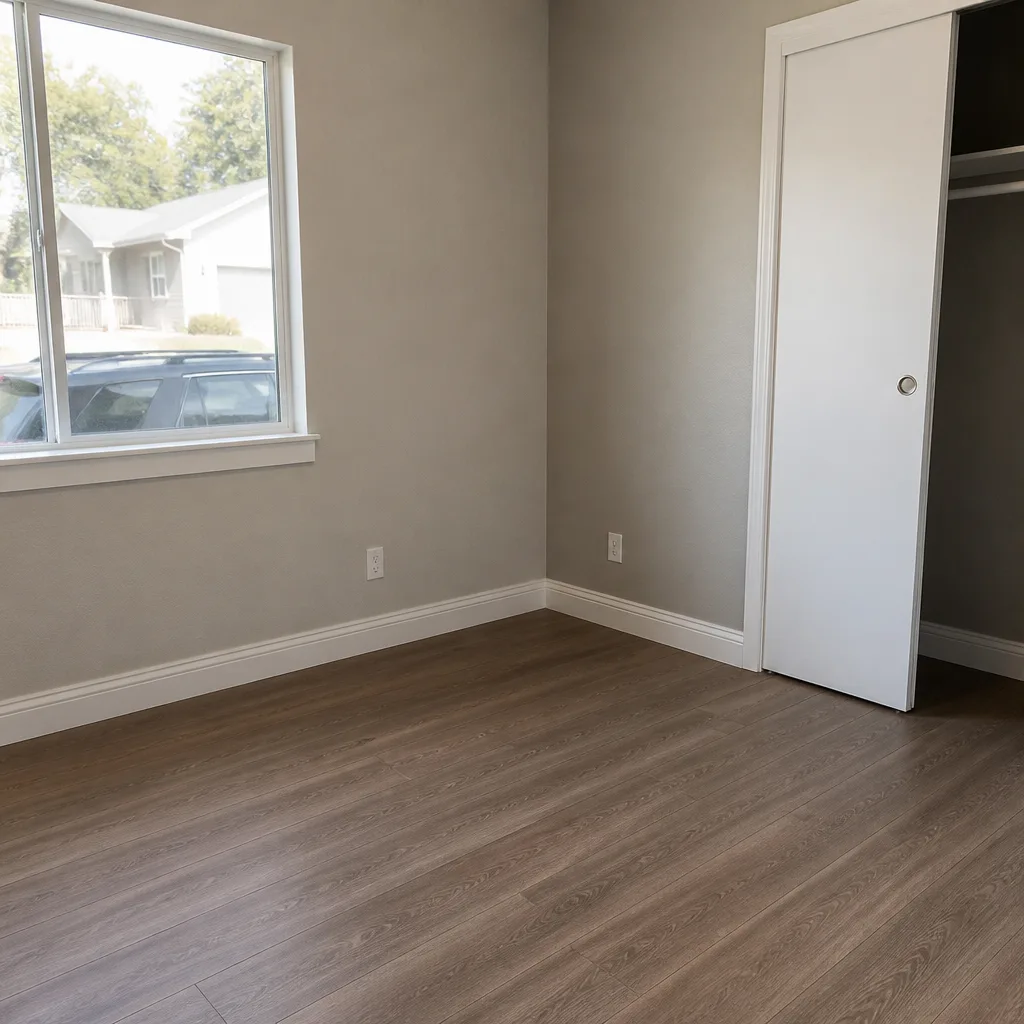 After
After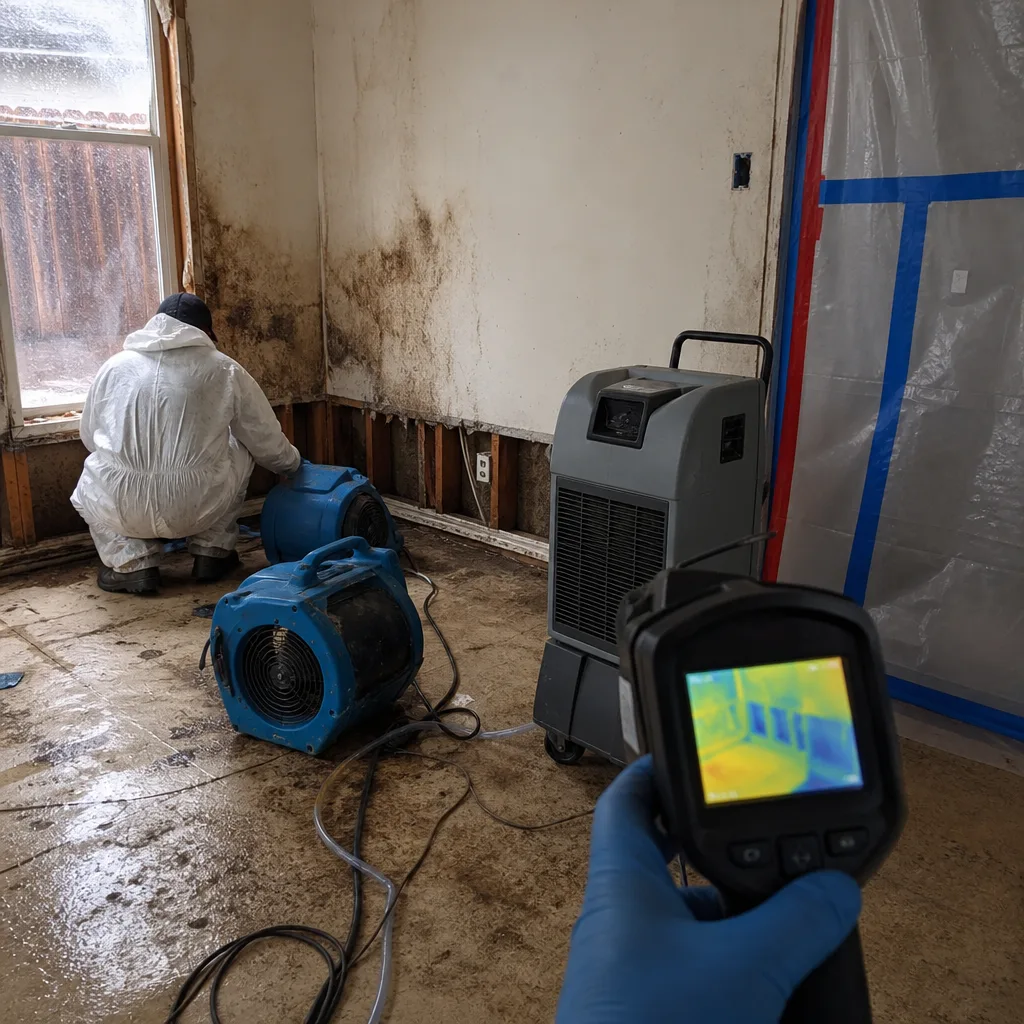 Before
 After
After