

 Storm response
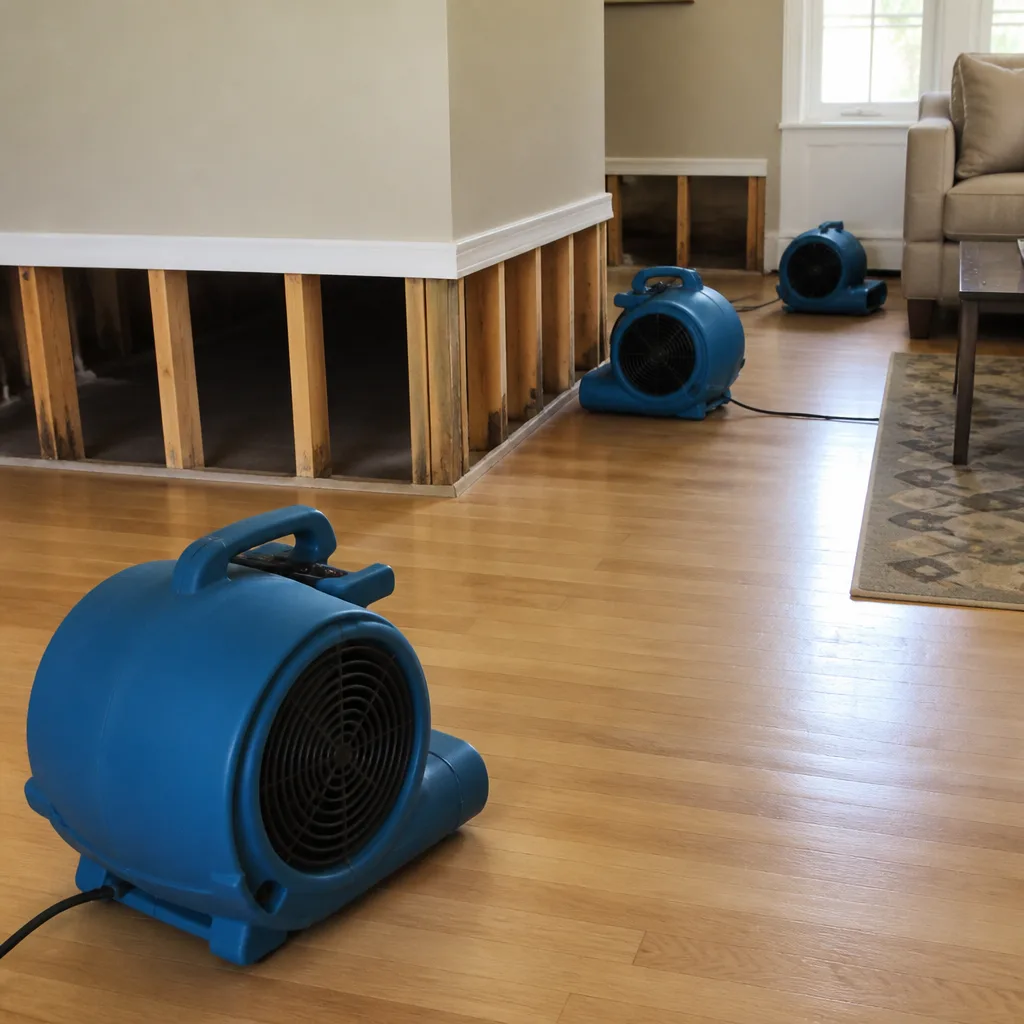 Water damage drying
 Fire & smoke cleanup
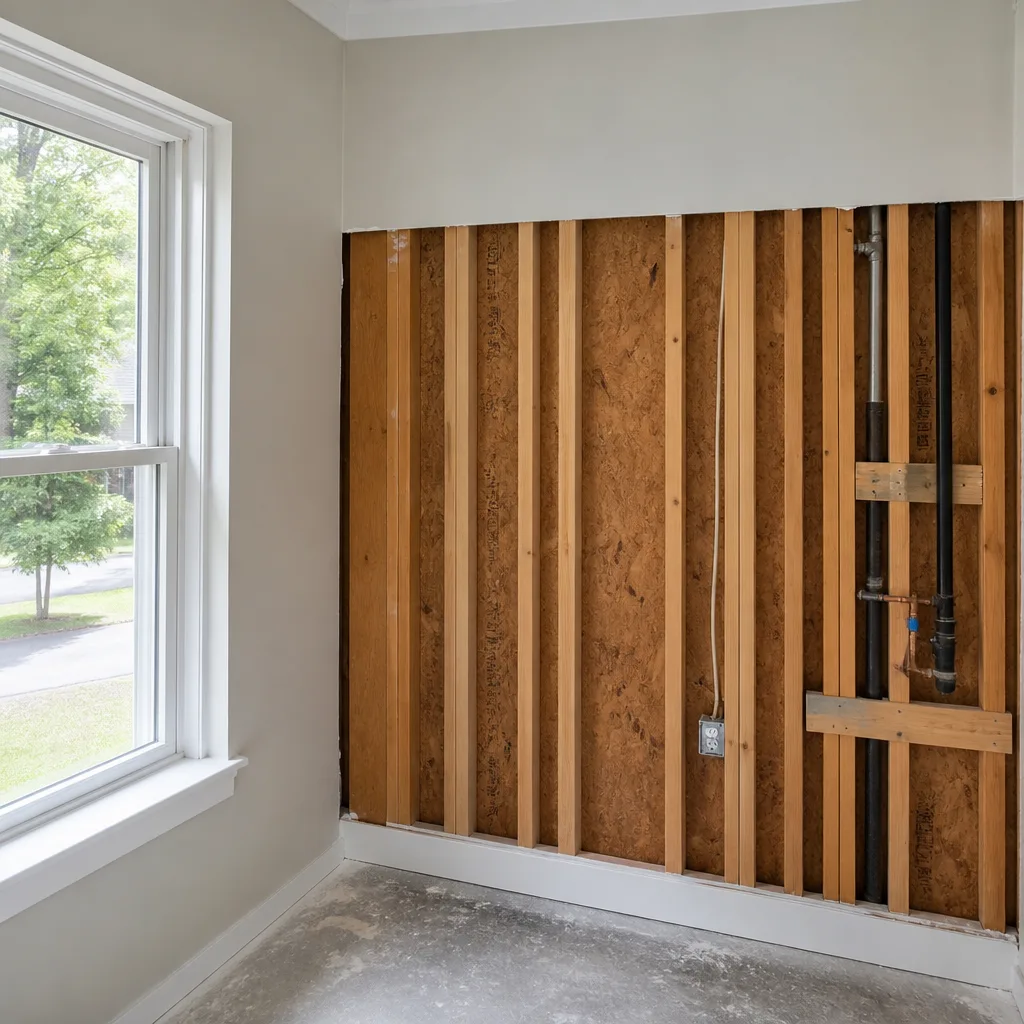 Mold remediation
 Sewage cleanup
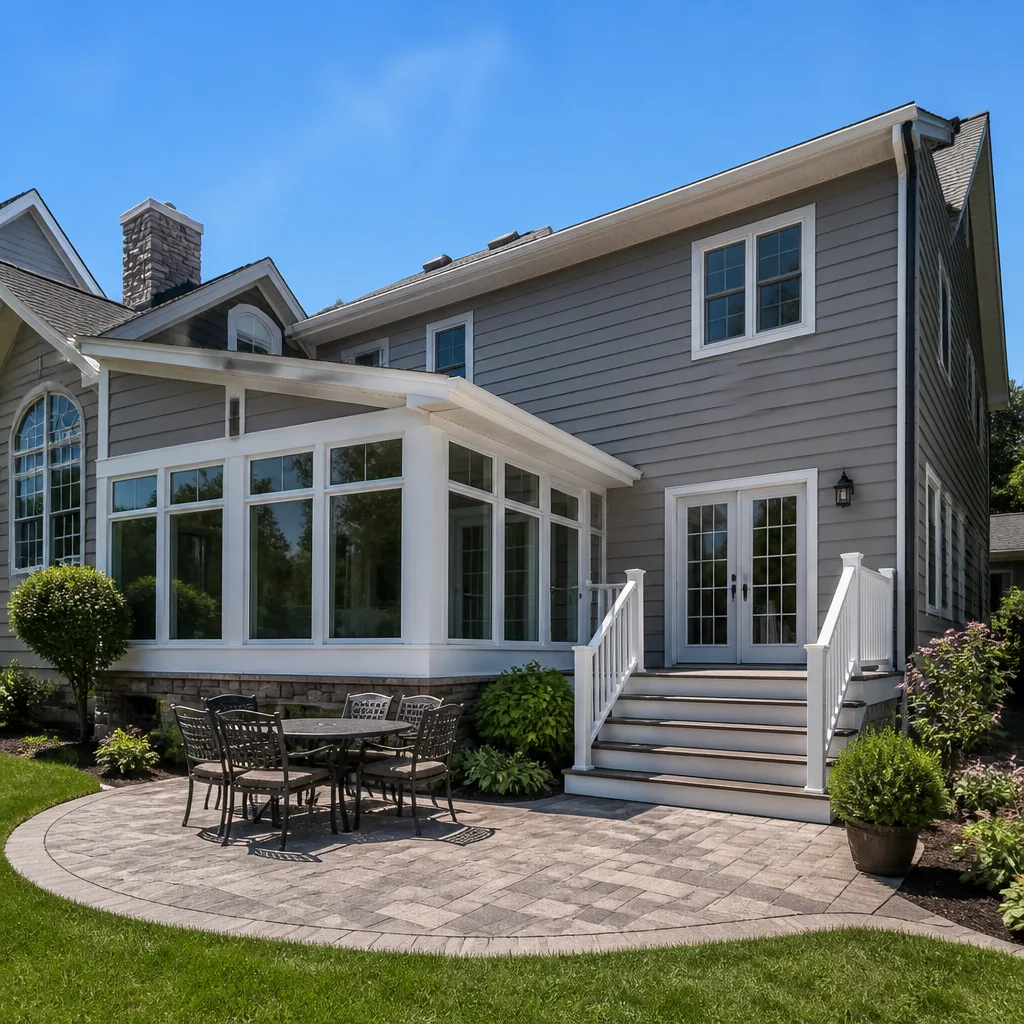 Reconstruction
Free visual inspection and a written scope of work before any mitigation begins - photos, moisture readings, and drying logs go in your claim file
The scope we write is the scope we bill. Anything new gets shown to you, in writing, before we touch it.
Get your free estimateRestoration work we handle
See the difference
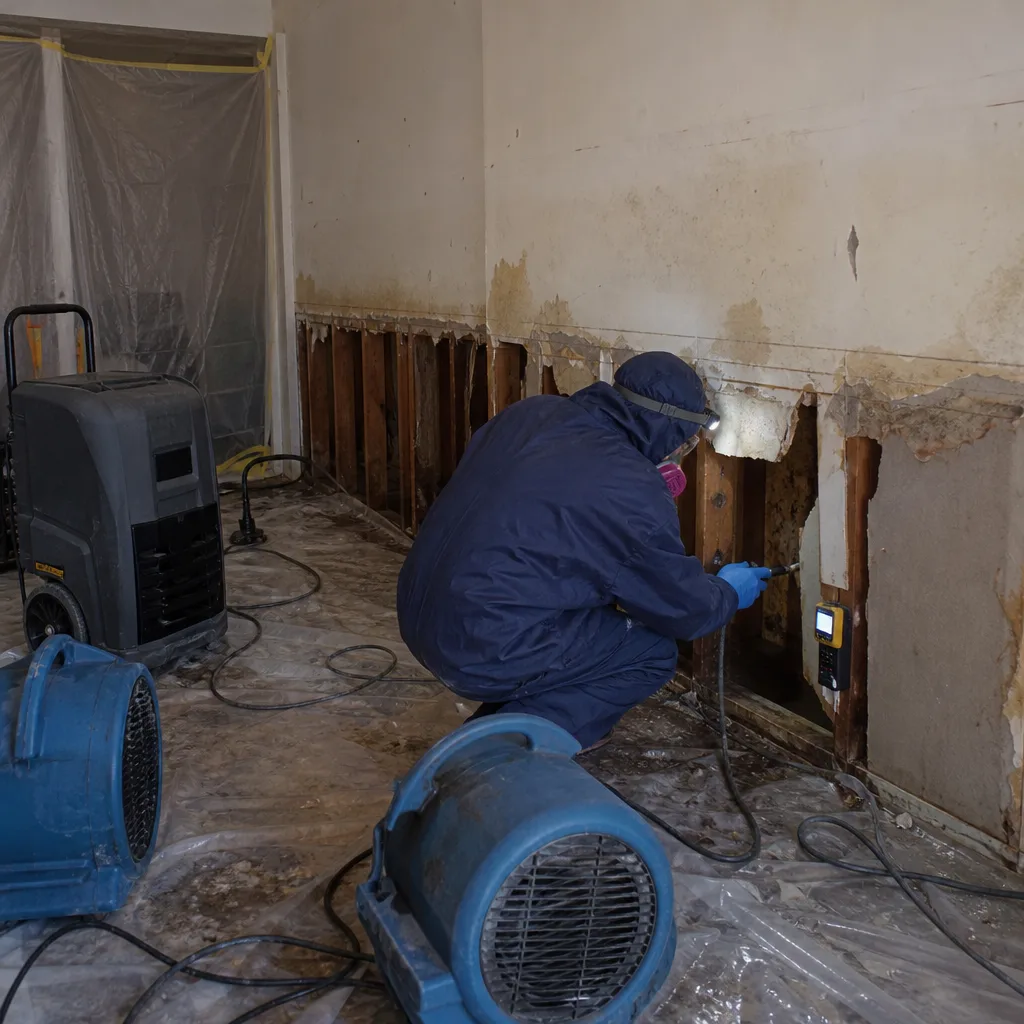 Before
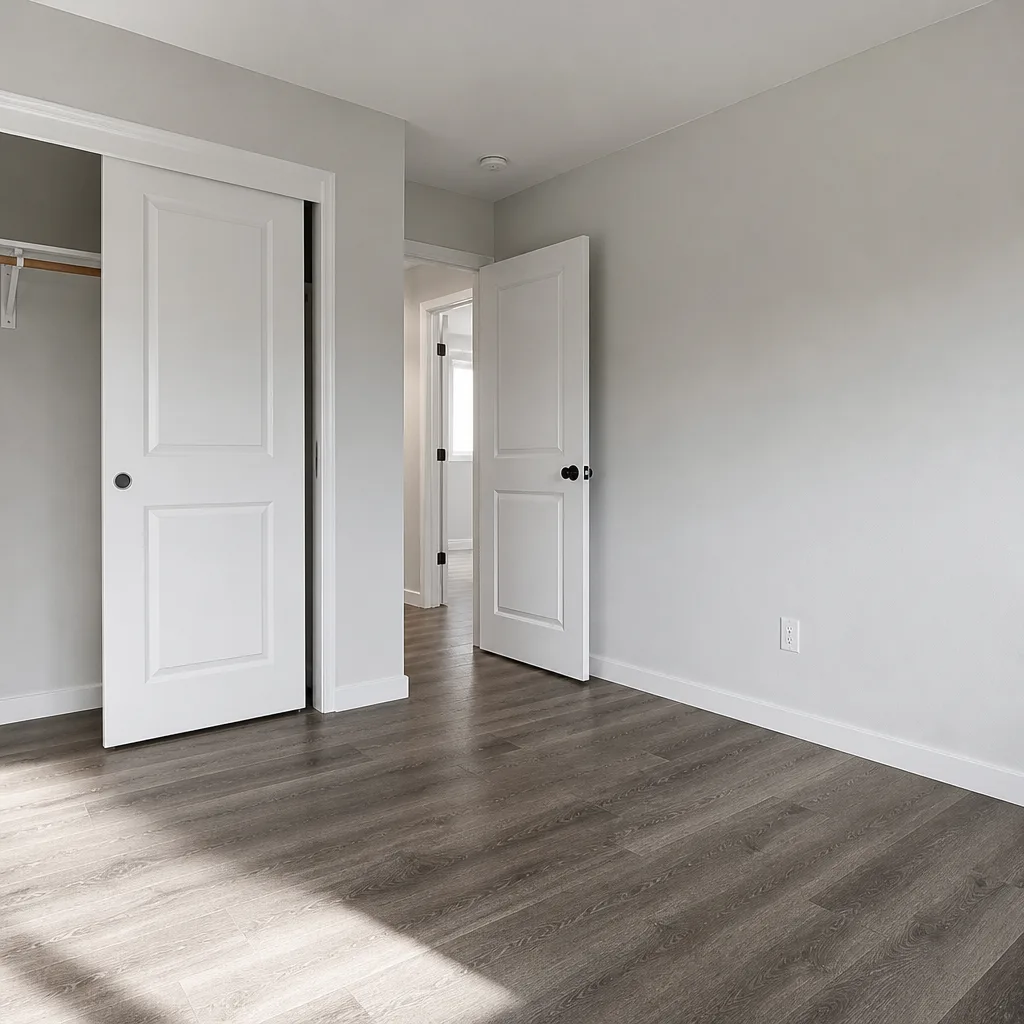 After
After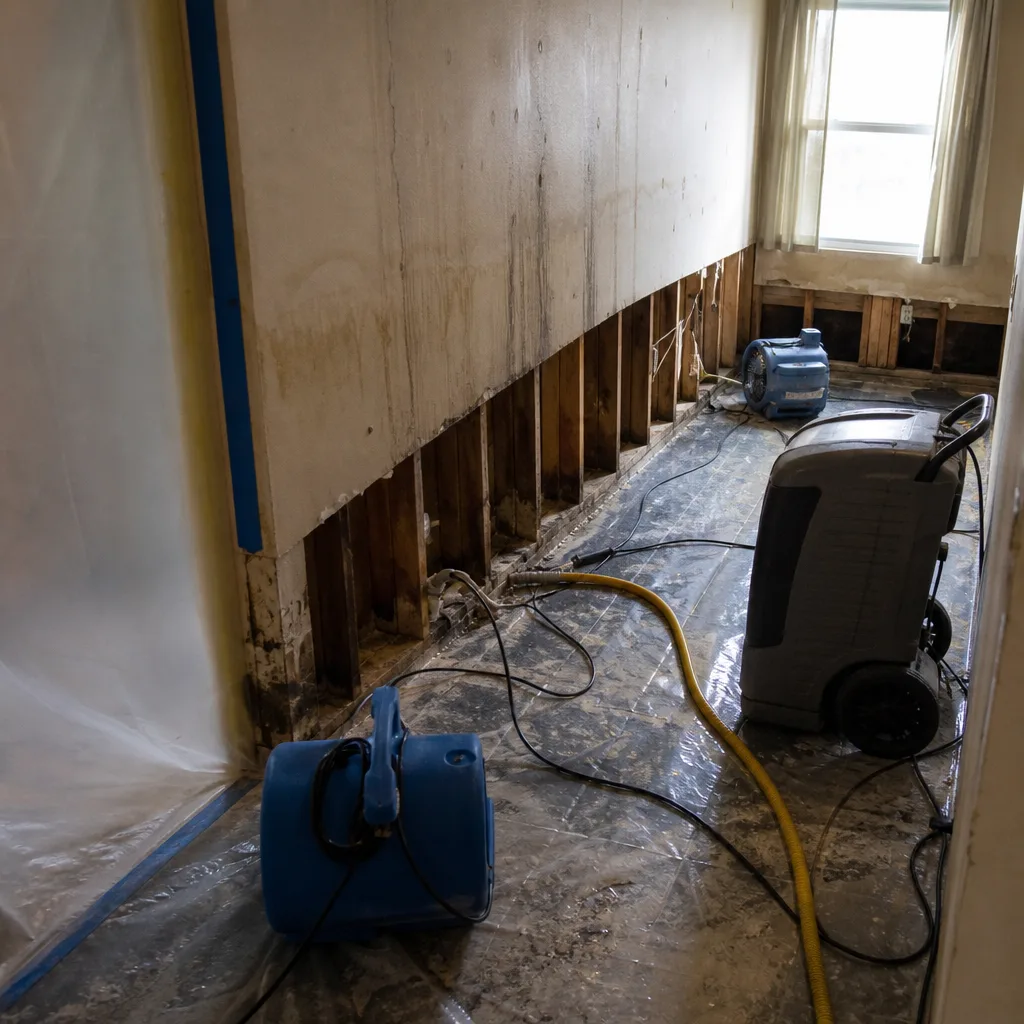 Before
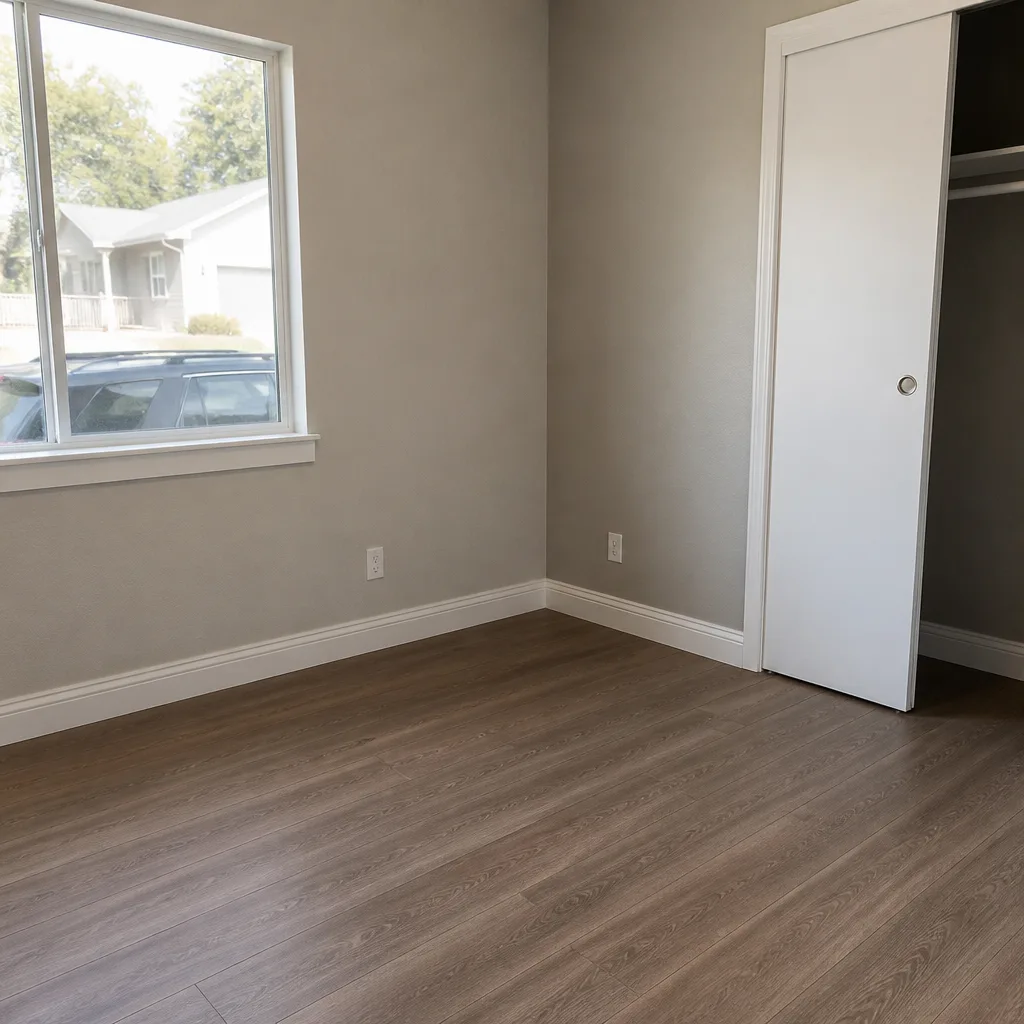 After
After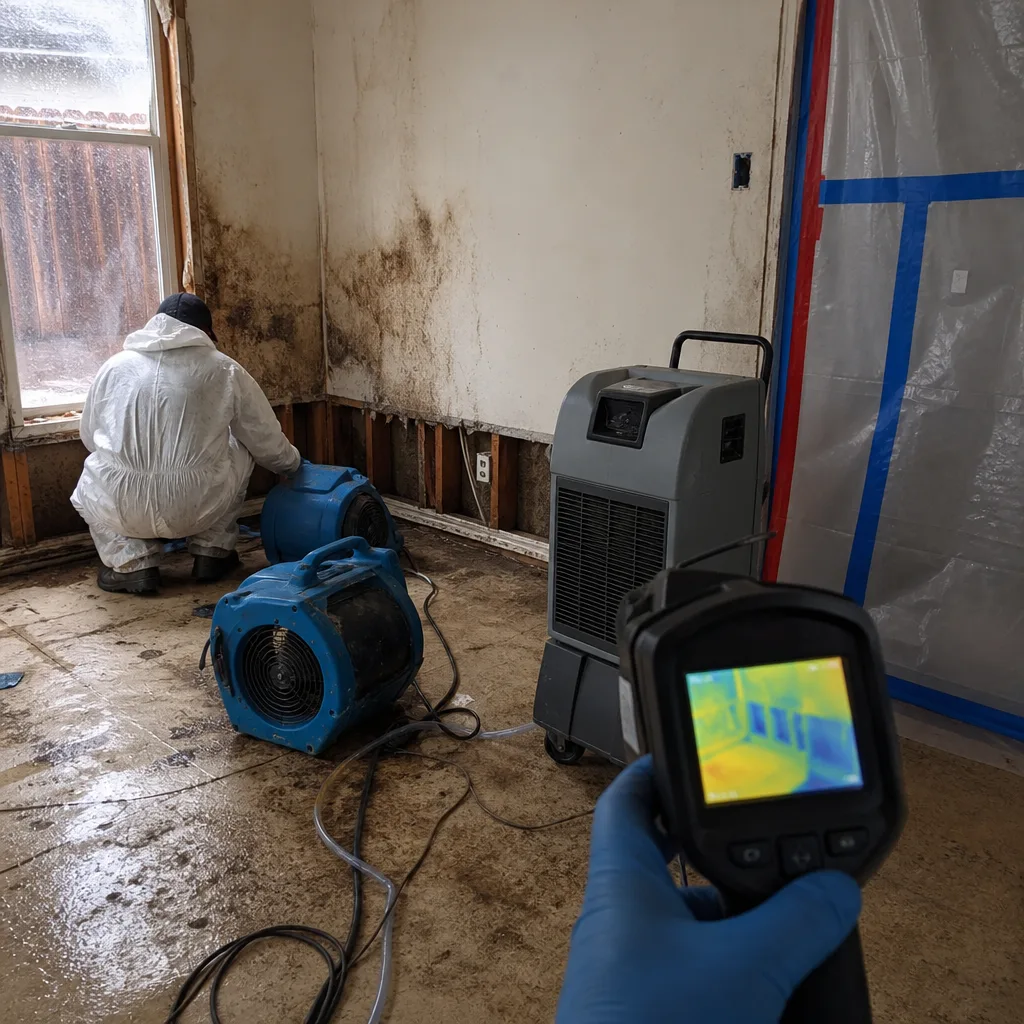 Before
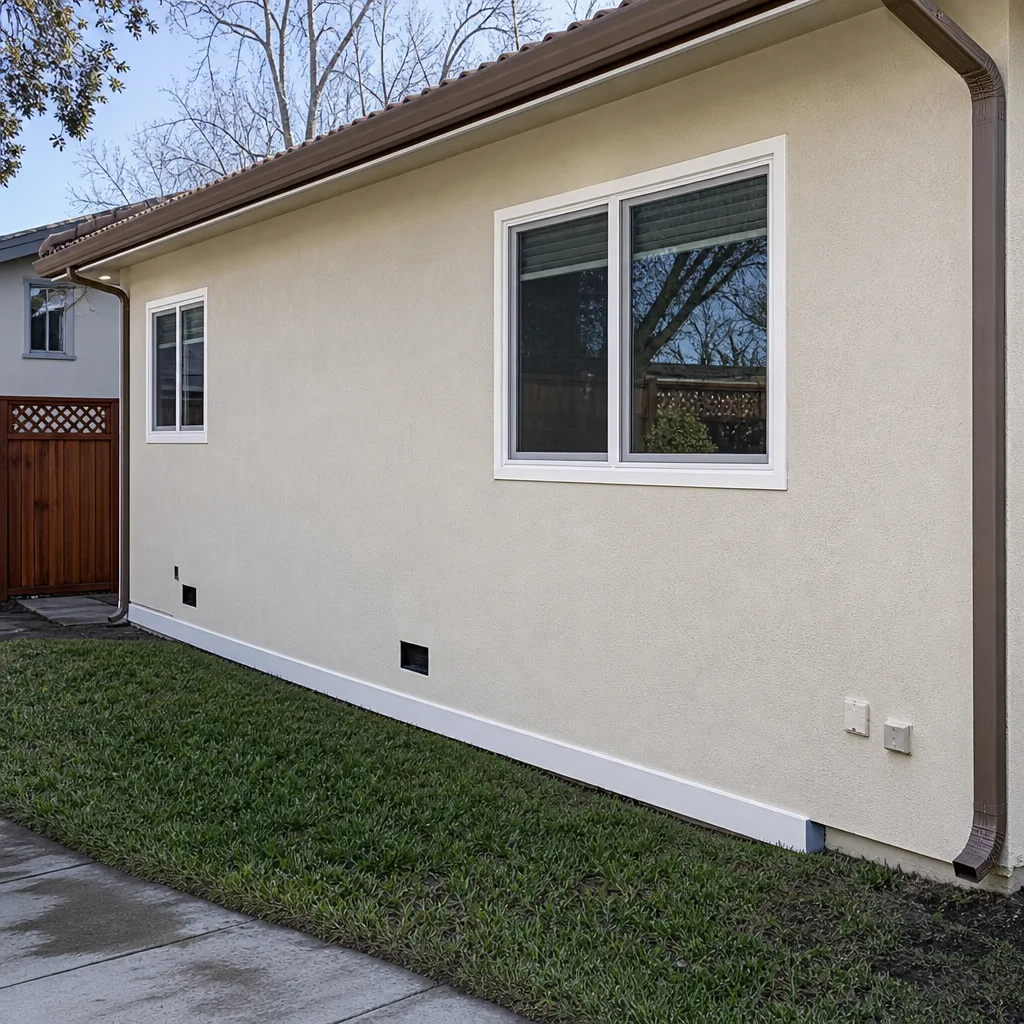 After
AfterHow Much Does Storm & Disaster Restoration Cost in San Jose?
Storm and disaster restoration in San Jose typically costs between $4,800 and $26,000, with most homeowners paying around $11,500 for moderate storm damage involving roof leaks, drywall replacement, and water extraction. Emergency water mitigation after a storm runs $1,800 to $6,500 as a standalone service. The exact figure depends on how many rooms were flooded, whether structural framing needs drying or replacing, and whether mold has already started forming. Call (669) 200-0453 and we’ll give you a written price before any work starts.
Key Takeaways: Storm Restoration Pricing in San Jose
- Small roof-leak repair with ceiling patch: $900 to $2,800
- Single-room flood cleanup and drying: $2,400 to $5,500
- Whole-home storm water mitigation: $7,000 to $18,000
- Full restoration including drywall, flooring, and mold prevention: $15,000 to $40,000+
- Most San Jose jobs fall between: $4,800 and $26,000
- Insurance coverage is common: most homeowner policies cover storm water damage when it enters through storm-created openings
Storm & Disaster Restoration Cost Breakdown (2026)
Here’s what we’re seeing across San Jose neighborhoods like Willow Glen, Almaden Valley, Evergreen, and Berryessa in 2026. These are real working numbers, not national averages pulled from a database. Bay Area labor rates run 20 to 35 percent higher than national figures, and that’s built into everything below.
| Service | Typical Range | What It Includes |
|---|---|---|
| Emergency storm water extraction | $1,800 – $4,200 | Standing water removal, initial drying setup, moisture mapping |
| Roof tarping (emergency) | $350 – $900 | Securing exposed areas to stop active water intrusion |
| Structural drying (per room) | $900 – $2,100 | Professional air movers and dehumidifiers, daily monitoring |
| Drywall removal and replacement (per room) | $1,200 – $3,400 | Cutting wet drywall, hauling debris, hanging and finishing new board |
| Ceiling repair after roof leak | $700 – $2,600 | Water stain sealing, patching or replacing damaged section |
| Flooring removal (water-damaged) | $600 – $2,200 | Pulling saturated carpet, laminate, or engineered wood and disposing |
| Flooring replacement (per 300 sq ft) | $2,500 – $7,000 | New materials and installation, mid-range product quality |
| Mold remediation (post-storm, contained area) | $1,500 – $6,000 | Containment, HEPA air scrubbers, antimicrobial treatment, removal |
| Full storm damage restoration (whole home) | $15,000 – $40,000+ | Complete mitigation through final paint, all trades included |
| Debris cleanup and tree-limb removal from structure | $500 – $2,500 | Removing fallen branches, tarping, basic exterior securing |
What shifts these numbers up or down? The square footage of affected areas is the biggest lever. Water that soaked into two rooms and a hallway costs roughly triple what a single bathroom flood costs because drying equipment, labor hours, and materials all scale. The second biggest factor is how long the water sat before professionals arrived. Water that’s been sitting for 48 hours has probably wicked up drywall and into subflooring. Water that’s been sitting for five days often means mold is present, and mold remediation adds $1,500 to $6,000 to the total bill.
The third factor is the water source. Rainwater that entered through a storm-damaged roof is category 1 water, which is cleaner and cheaper to mitigate. Water that backed up from storm drains or flooded in from street level carries contaminants and costs 30 to 50 percent more because we have to remove more material and apply antimicrobial treatments to the structure. Here in San Jose, the winter atmospheric river events we’ve seen since 2023 have pushed a lot of category 2 and 3 water into homes along the Guadalupe River corridor, Coyote Creek, and the lower-lying sections of Alviso. Those jobs cost more, always.
What Affects Storm & Disaster Restoration Pricing in San Jose
- Number of affected rooms. Water spreads horizontally, and structurally drying a three-room footprint requires roughly three times the air movers, dehumidifiers, and monitoring visits as a single room.
- How long the water sat. The San Jose climate matters here. Our dry summers mean water evaporates slower indoors than you’d expect, but winter storms with high humidity slow structural drying even further. Saturated drywall that’s been wet over 48 hours almost always needs removal, not drying in place.
- Water category. Clean rain from a roof leak is category 1. Flood water that ran through streets or backed up from drains is category 2 or 3 and costs more because of antimicrobial treatments and more aggressive material removal.
- Mold presence. If mold has begun colonizing, we have to set containment barriers and run HEPA air scrubbers before any demo work can start. That adds $1,500 to $6,000 depending on the affected square footage.
- Insurance involvement. If your claim covers the work, you’ll pay your deductible and the insurer pays the rest. If you’re paying out of pocket, we provide a written price before any work starts so you can decide what gets done now versus what can wait.
- Access and structural complexity. Crawlspaces under older San Jose homes in neighborhoods like Naglee Park and Rose Garden often trap moisture and require additional drying equipment and more labor hours than slab-foundation homes built in the 1990s and 2000s.
What Storm Restoration Actually Involves in San Jose
When you call us after a storm, the first thing we do is answer the phone. A live person picks up, 24/7, because water damage does not keep business hours and neither does Wendell. We’ll ask a few questions about what happened, then give you an honest sense of what you’re looking at. The team that shows up arrives in uniform, background-checked, with a live arrival time you can track on your phone, not a vague four-hour window.
Step 1: Emergency response and water extraction
We arrive with commercial extraction equipment and start pulling standing water immediately. In storm scenarios, this is often the difference between a $4,000 mitigation and a $16,000 rebuild. Every hour water sits, it wicks further into drywall, baseboards, and subflooring.
Step 2: Moisture mapping and damage documentation
We use thermal imaging and moisture meters to map exactly where water has traveled, including areas you cannot see. This step matters for two reasons: it tells us precisely what needs drying or removal, and it creates a documented record your insurance adjuster can use.
Step 3: Structural drying
Here’s where trade expertise shows. We deploy professional-grade drying equipment from Dri-Eaz, Phoenix, XPOWER, B-Air, and Injectidry, running psychrometric drying protocols, which means we track the air’s moisture level so we know when your home is truly dry, not just surface-dry. That last part is the difference between a repair that lasts and a repair that hides moisture you’ll smell in six months.
Step 4: Controlled demolition
Drywall that has lost structural integrity, insulation that has soaked through, flooring that has buckled, all of it gets cut out and hauled away. We do this surgically, removing only what cannot be dried in place.
Step 5: Antimicrobial treatment and odor control
We apply antimicrobial treatments to all exposed framing and subflooring under IICRC, RIA, and IFA standards. This kills mold spores and bacteria before the rebuild starts and prevents the musty smell that follows half-finished mitigation work.
Step 6: Rebuild and finish
New drywall goes up, gets taped, textured, and primed. Flooring gets replaced. Trim goes back on. Paint matches. When we leave, the storm never happened. You’ll get before-and-after photos by text throughout the process, so you can see the work even when you can’t be there.
This entire process follows what we call The Relay Standard: book in a tap, get a live arrival time, receive photo updates by text, see your price in writing before work starts, and pay from a digital invoice we text to your phone. The number on the screen is the number you pay.
What Does Insurance Cover for Storm Damage in San Jose?
Most homeowners insurance policies in California cover storm water damage that enters your home through a storm-created opening: wind tore off shingles, a tree limb punctured the roof, or flood water entered through a broken window. What they generally do not cover is groundwater seepage or surface flooding, which requires a separate flood insurance policy through the National Flood Insurance Program.
If you’re in a San Jose neighborhood that flooded during the 2023 and 2024 atmospheric river events, neighborhoods like Alviso, parts of North San Jose, and areas near Coyote Creek, you may or may not have flood coverage. We’ve worked with dozens of local adjusters and we know how to document storm damage thoroughly. If your claim is approved, you pay your deductible and we handle the rest directly with your insurer. If it’s denied, you’ll know exactly what everything costs before we start, because we put our price in writing up front. There are no surprises at the end.
One thing to know: if you file a claim for storm damage, your insurer will expect you to have taken reasonable steps to prevent further damage. That means tarping the roof, boarding broken windows, or shutting off water if a pipe burst during a freeze. This is called mitigation, and it’s exactly what we do in the first hours after you call. We document everything before, during, and after so your claim has the evidence it needs.
How to Save on Storm & Disaster Restoration
You cannot skip mitigation and save money. That’s the most expensive mistake we see, actually. Water that gets extracted and dried within the first 24 hours often costs under $5,000 to fully resolve. That same water left for five days becomes a $15,000 to $25,000 rebuild with mold remediation tacked on.
Here are the legitimate ways to keep costs down:
- Call immediately. The single biggest savings lever is response time. Every hour water sits, the repair bill grows. This is not an upsell tactic; it’s physics.
- Do not run box fans and think it’s drying. Household fans move air across surfaces but do not pull moisture from inside walls, under flooring, or behind baseboards. We regularly see San Jose homeowners who ran fans for a week, then called us when the smell showed up. The drying was never done, and now mold has colonized inside the wall cavity.
- Move undamaged belongings out of affected areas. Furniture, rugs, electronics. Fewer contents to handle means fewer labor hours.
- Document everything for your insurer. Photos, videos, a timeline. Claims with good documentation settle faster and more completely.
- Get a written price before committing. We’ll tell you what the job costs before any work starts. If you’re paying out of pocket, you can phase the work: mitigation now, rebuild next month. We’ll tell you what can safely wait and what cannot.
- Use your policy’s loss-of-use coverage if it applies. If your home is uninhabitable, your insurer may cover temporary housing. That’s money you do not have to spend out of pocket.
We offer free estimates, always. Call (669) 200-0453 and we’ll give you a real number for your specific situation, not a vague range and a sales pitch.
Storm Damage Risks Unique to San Jose Homes
San Jose gets most of its storm damage from winter atmospheric rivers, not summer thunderstorms. These systems park over the Santa Cruz Mountains and push moisture into the valley for days at a time. The result is prolonged saturation, not a quick downpour. Homes in the eastern foothills around Evergreen and Silver Creek deal with runoff and drainage issues. Homes in the flatlands near the Guadalupe River deal with rising groundwater. Homes built before 1980 in neighborhoods like Willow Glen and Cambrian often have older roofs with worn flashing and degraded underlayment, which fail during sustained wind-driven rain.
We also see a pattern in newer construction: homes built in the last 15 years in developments around Berryessa and South San Jose often use OSB sheathing and engineered trusses. These products are fine when dry, but they absorb water differently than the plywood and solid lumber used in older homes. Once wet, OSB swells and loses structural strength faster, which means faster demo, which means higher labor costs per square foot.
Another recurring issue is attached garages in split-level homes. Water runs down driveways during heavy rain and enters under garage doors in low-lying areas. The garage floor gets wet, then the bottom of the shared wall with the house wicks that moisture upward. By the time the homeowner notices the smell, the bottom plates and studs are compromised. This is a repair we do repeatedly across San Jose, and it costs between $2,500 and $7,000 depending on how far the moisture traveled.
Is It Cheaper to Repair or Replace After Storm Damage?
That depends entirely on what got wet and how long it stayed wet. Drywall is almost always cheaper to replace than to repair once it’s saturated, because cut-and-patch work on water-damaged drywall leaves seams that telegraph through paint, and the paper facing loses structural integrity even after drying. Solid lumber framing can usually be dried and cleaned unless it’s been wet for over a week or shows signs of fungal growth. Engineered wood products, like I-joists and OSB, generally need replacement if they’ve been soaked because they cannot be dried reliably.
Flooring follows similar logic. Tile over concrete can almost always be dried and cleaned. Carpet can sometimes be saved if extracted within hours, but we generally recommend replacement because the padding underneath traps moisture and bacteria. Laminate and engineered wood always need replacement after water exposure; they delaminate and cannot be restored. Hardwood can sometimes be dried with injectidry systems that pull moisture from underneath, but this only works if caught early.
We’ll tell you what can be saved and what should go, and we’ll base that call on moisture readings and experience, not on what pads our invoice. The price you see in writing is what you pay, and that price is built on honest assessments.
FAQs – Storm & Disaster Restoration Cost
How much does water damage restoration cost after a storm in San Jose?
Most San Jose storm water restoration jobs run between $4,800 and $26,000. A single room with clean rainwater and quick response typically lands around $3,000 to $5,500. Whole-home restoration with structural drying, drywall replacement, and flooring runs $15,000 to $40,000 or more. Call (669) 200-0453 for a written price on your specific job; estimates are free.
How fast can you respond to a storm damage emergency in San Jose?
We answer every call with a live person, 24/7, and our San Jose team is typically on-site within a few hours of your call. You’ll get a live arrival time you can track, not a vague window. Water damage does not keep business hours, and neither does Wendell.
Does homeowners insurance cover storm damage restoration?
Most standard policies cover storm water damage when it enters through a storm-created opening like roof damage or broken windows, typically minus your deductible. Groundwater seepage and surface flooding are generally not covered and require separate flood insurance. We document everything thoroughly and work directly with your adjuster.
Can you give me a price before starting work?
Yes. This is non-negotiable for us. We put your price in writing before any work starts, and we text you a digital invoice you can pay from a link. The number on the screen is the number you pay. No surprises, no add-ons at the end.
What happens if the repair fails?
We return and fix it for free. It’s called the 365-Day Done Right Promise, and it’s stated in writing on every single job. If it’s not done right, we make it right. Plus, we include a free second visit if the repair fails. Call (669) 200-0453 for details.
How much does mold remediation cost after a storm?
Contained mold remediation after storm water intrusion runs $1,500 to $6,000 in San Jose, depending on the affected square footage. If mold has spread behind walls across multiple rooms, it can exceed $10,000. The sooner water is extracted and dried, the less likely mold remediation becomes part of your bill.
Can you come out today?
In most cases, yes. We have crews stationed in San Jose and surrounding areas, and our 24/7 live-answer line means you’ll talk to a person immediately, not a voicemail. Call (669) 200-0453 and we’ll give you a live arrival time on the phone.
Why San Jose Homeowners Call Wendell First
We started in 2006 as part of the Relay Home Co. family, and since then we’ve built the company around something most restoration contractors never offer: transparency before, during, and after the work. You get a written price before any work starts. You get a live arrival time you can track. You get before-and-after photos by text. You get a digital invoice you can pay from a link. The number on the screen is the number you pay. Every job runs under IICRC, RIA, and IFA standards, using the same professional drying equipment brands you’d find on large commercial loss sites: Dri-Eaz, Phoenix, XPOWER, B-Air, and Injectidry.
Our founder, Blake Sorensen, built Wendell on a simple idea: restoration companies should answer their phones, show up when they say they will, and tell you what things cost before they start working. The Storm & Disaster Restoration in San Jose services we provide are built around that promise. And if you’re wondering whether any of this applies to your situation, call us. We’ll answer, we’ll listen, and we’ll give you a real price. That’s it.
If you’re dealing with storm damage right now, or if you’re just trying to understand what a repair might cost before you file an insurance claim, call (669) 200-0453. We’ll give you an honest assessment and a written estimate for free. And if you’re still just browsing, well, our home page has more about how we work.
Pricing reflects the San Jose market as of 2026. Wendell Restoration San Jose offers free estimates – call (669) 200-0453.
Written by Blake Sorensen, Owner at Wendell Restoration San Jose, serving San Jose since 2006.
What Our Customers Say
"Ceiling repaired, painted, and matched. The patch around the old water stain is invisible after painting."
- Clara T."Water damage repair to the baseboards and drywall was clean."
- Ted H."Respectful crew, daily updates, and no surprises."
- Yasmin O.